Starlink in South Africa: A 2026 Progress Report and Future Outlook
As we move into 2026, the promise of ubiquitous, high-speed internet access via satellite constellations like Starlink continues to capture global attention. South Africa, with its diverse landscape and varying levels of connectivity, presents both a significant opportunity and a unique set of challenges for Starlink’s expansion. This article examines Starlink’s progress in South Africa as of 2026, exploring its current status, hurdles overcome, future prospects, and potential impact on the country’s digital landscape.
Current Status of Starlink in South Africa (2026)
While Starlink has made significant strides globally, its rollout in South Africa hasn’t been as straightforward as in other regions. Regulatory hurdles and licensing issues have historically presented obstacles. Let’s examine the specifics of where things stand in early 2026:
Coverage and Availability
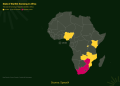
By 2026, Starlink’s satellite constellation is significantly more robust than in its initial phases. While complete nationwide coverage is likely not yet a reality, the availability of Starlink services in South Africa has undoubtedly improved, especially in previously underserved rural areas. The current generation of satellites reportedly has four times the capacity of the original versions, allowing for wider deployment (Source: starlink.com).
Regulatory and Licensing Landscape
Securing the necessary regulatory approvals from the Independent Communications Authority of South Africa (ICASA) remains a crucial factor. The complexities of navigating South Africa’s telecommunications regulations have contributed to delays in the past. It’s important to monitor any changes or updates to licensing policies that might influence Starlink’s future operations.
User Adoption and Pricing
Assuming Starlink is officially operating in South Africa, user adoption will heavily depend on pricing and affordability. Starlink’s hardware costs and monthly subscription fees might be prohibitive for many South Africans, especially in lower-income communities. The economic outlook shifts with trade policy uncertainty, according to the OECD, potentially impacting consumer spending (Source: oecd.org).
Challenges and Obstacles
Starlink’s path to widespread adoption in South Africa isn’t without its challenges. Addressing these challenges will be vital for its long-term success:
Affordability and Accessibility
As mentioned earlier, the cost of Starlink equipment and services is a major concern. Strategies to address this, such as subsidized programs or partnerships with local internet service providers (ISPs), could be essential to bridging the digital divide.
Competition from Existing Providers
South Africa already has established mobile network operators (MNOs) and fixed-line internet providers. Starlink needs to offer a compelling value proposition to compete effectively, particularly in areas where existing infrastructure is already relatively strong. Areas that still suffer from limited to no internet connectivity provide a competitive edge for Starlink in South Africa.
Technical Infrastructure and Support
Setting up a robust technical infrastructure for customer support and maintenance is critical. This includes establishing local support centers and training personnel to address technical issues effectively.
Future Prospects and Predictions (2026 and Beyond)
Looking ahead, the future of Starlink in South Africa appears promising, albeit dependent on overcoming the existing challenges. Here are some predictions and prospects for the coming years:
Expansion into Rural Areas
Starlink’s ability to provide internet access to remote and underserved areas offers a significant opportunity to improve connectivity and promote economic development. Similar initiatives are happening in other African countries; for example, see how Starlink Officially Launches in Niger, Expands Footprint in Africa.
Impact on Education and Healthcare
Improved internet access can have a transformative impact on education and healthcare, enabling remote learning, telemedicine, and access to online resources. This aligns with broader development goals for South Africa.
Potential for Collaboration and Partnerships
Strategic partnerships with local businesses, government agencies, and NGOs can help Starlink overcome regulatory hurdles, expand its reach, and tailor its services to meet the specific needs of the South African market. The launch in Lesotho, for instance, was done via T-Connect Lesotho. Lesotho Launches Starlink via T-Connect Lesotho, demonstrating how strategic partnerships could work.
The Launch of New Satellites
SpaceX continues to launch more satellites into orbit, thereby improving bandwidth, reducing latency, and extending coverage. The Starlink Mission in January 2026 is an example of the ongoing expansion efforts (Source: www.spacex.com).
Potential Economic and Social Impacts
The widespread adoption of Starlink in South Africa could have far-reaching economic and social impacts:
Boosting Economic Growth
Improved internet access can stimulate economic growth by enabling businesses to operate more efficiently, connecting them to global markets, and facilitating e-commerce. It can also empower entrepreneurs and create new job opportunities.
Empowering Communities
Access to information and communication technologies can empower communities by providing access to education, healthcare, and other essential services. It can also promote social inclusion and participation.
Bridging the Digital Divide
Starlink has the potential to bridge the digital divide by providing internet access to underserved populations, thereby reducing inequalities and promoting social justice.
Regulatory Considerations and Government Policies
Government policies and regulatory frameworks will play a crucial role in shaping the future of Starlink in South Africa. Key considerations include:
Licensing and Spectrum Allocation
Transparent and efficient licensing processes are essential to ensure fair competition and encourage investment in the telecommunications sector. Spectrum allocation policies should be designed to maximize the benefits of satellite internet technology.
Data Privacy and Security
Robust data privacy and security regulations are needed to protect users’ personal information and ensure the integrity of online services. This is of increasing importance to consumers and governments alike.
Promoting Competition and Innovation
Government policies should promote competition and innovation in the telecommunications sector, encouraging the development of new technologies and services.
Conclusion
Starlink’s journey in South Africa in 2026 is a complex interplay of technological possibilities, regulatory realities, and economic considerations. While challenges remain, the potential benefits of widespread satellite internet access are undeniable. By addressing the issues of affordability, regulatory compliance, and technical infrastructure, South Africa can unlock the transformative power of Starlink to bridge the digital divide, boost economic growth, and empower its citizens. The future hinges on proactive policies, strategic partnerships, and a commitment to harnessing the potential of satellite technology for the benefit of all South Africans.