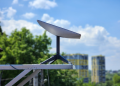
Iraq’s telecoms regulator has confirmed that Starlink, SpaceX’s low-Earth-orbit satellite internet service, still has no access gateway on Iraqi soil, while rejecting the claim that Iraqi subscribers’ data is held in Qatar. Baligh Abu Kalal, head of the executive authority at the Communications and Media Commission, made the comments to the Iraqi News Agency, the Baghdad-based outlet en.964media reported on 27 September 2026.
Sourcing and right of reply: everything below — the quotes, the terminal counts, the gateway timeline and the ministerial comments — derives from that single outlet’s account of an Iraqi News Agency interview. Starlink News has not independently verified the statements and has found no second newsroom reporting on the same interview. We put the routing, gateway-timing and pricing questions to SpaceX through the company’s media contact address; SpaceX, which has not operated a staffed press office for several years, had not responded by the time of publication. This report deals with the infrastructure question — where Iraqi traffic physically lands and who can see it. The separate claim that the service is lawfully licensed is covered in Iraq’s declaration that the licence is official and legal.
Key facts
- No Starlink access gateway is operating inside Iraq; without one, traffic from Iraqi users lands at gateways abroad, en.964media reported.
- “What is being raised about Iraq’s data being in Qatar is inaccurate, and we have full control over the data,” Abu Kalal said, grounding that control in a security regulation attached to the licence and a direct link with Starlink that he says identifies devices operating in Iraq.
- He said Starlink had planned to build access gateways inside Iraq only after two years, and that growing demand pushed the commission to negotiate earlier installation using Iraqi infrastructure. No completion date was given.
- Communications Minister Mustafa Sanad said in August that there was no Starlink ground station in Iraq and that traffic was routed through Qatar.
- Abu Kalal put the pre-launch user base at roughly 200,000 people on some 40,000 devices; Sanad had put illegally operating terminals at about 42,000.
Why it matters
Analysis. With no gateway on Iraqi soil, the commission’s assurance of control does not rest on infrastructure Iraqi authorities can physically reach. Abu Kalal’s own words locate it elsewhere: in the licence’s security regulation, and in a link to the operator that he says lets the commission “identify devices operating inside the country,” as quoted by en.964media. That is a claim about visibility of hardware, not about custody of traffic — a distinction the source report never closes. Set against Sanad’s August statement, which treated the foreign gateway as the decisive fact, the two officials are not contradicting each other on the plumbing so much as disagreeing about what the plumbing implies. Roughly 200,000 people, on the regulator’s own count, are being onboarded onto a service whose traffic leaves the country to reach the network. For the underlying mechanics of gateways, satellites and user terminals, see how satellite internet works.
What the regulator said
The Qatar denial
Abu Kalal told the Iraqi News Agency that the security regulation attached to the Starlink licence ensures Iraq’s full control over the data, according to en.964media. He said authorities hold detailed information on active terminals and their owners, and that the commission’s direct link with Starlink allows it to identify devices operating inside the country. On the routing question he was blunt, calling the Qatar characterisation inaccurate.
What the report does not explain
The account contains no technical description of how that control is exercised: no mention of in-country interception or lawful-access equipment, no description of what data the commission receives from the company, how often or in what form, and no explanation of how identifying a device relates to the handling of the traffic it carries. The security regulation itself has not been published in the reporting available to us, and neither official said which country’s gateway now carries Iraqi traffic if not Qatar’s.
Where the two officials differ
Abu Kalal does not contest the missing gateway, and he confirms the two-year construction plan while saying the commission is trying to bring it forward using Iraqi infrastructure. What he disputes is the inference — that routing through a gateway abroad means Iraq has lost control of subscriber data. Sanad, a month earlier, had named Qatar as the transit point and said Starlink had proposed waiting two years, en.964media reported. The report does not say whether the two men were describing the same moment in time or a situation that has since changed.
Background: from seized kit to licensed launch
Customs seizures and the July launch
Before the licence was issued, Starlink terminals were treated as unlicensed equipment in Iraq, according to en.964media, and customs officers seized 24 terminals at Baghdad airport in June. Licensed service launched on 29 July, when the commission said a security annex placed users and devices under the oversight of the prime minister’s office, the National Intelligence Service, the National Security Service and the National Cybersecurity Center.
The disputed user numbers
How widely the service was already being used before that date is contested inside the government. Sanad put illegally operating terminals at about 42,000; Abu Kalal described a pre-launch base of roughly 200,000 people on some 40,000 devices. The device counts are close. The gap is in whether the state has a view of users as well as hardware — the very distinction underpinning the commission’s claim to hold detailed information on terminals and their owners. The outlet also reported that Sanad said this month the ministry had accelerated its fibre rollout and introduced faster packages in response to demand, without giving prices or coverage targets.
Gateways beyond Iraq
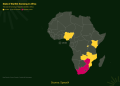
Where gateways sit is a live regulatory issue in other markets. Starlink News has reported on a South African firm building ground stations across 14 African countries, work that determines where regional traffic lands and which regulator can reach it. The Iraqi reporting makes no reference to those arrangements, or to how Iraq’s licence terms compare with those signed elsewhere.
What is still unknown
Three things remain unanswered on the record: the date an Iraqi gateway becomes operational, the Starlink price in Iraq — neither official gave hardware or monthly figures, only that subscription requests are being taken on the company’s website and deliveries continue, and we are not inferring a number from neighbouring markets (see what Starlink charges market by market) — and any response from SpaceX. Starlink News will update this report if the company replies or a second outlet addresses the routing question.
Frequently Asked Questions
What legal basis does Iraq cite for its claimed control over Starlink data?
The commission points to a security regulation, or annex, attached to Starlink’s licence. According to en.964media, the Communications and Media Commission said at the 29 July launch that this annex assigned oversight of users and devices to the prime minister’s office, the National Intelligence Service, the National Security Service and the National Cybersecurity Center. The report does not name the statute the annex rests on, does not publish its text, and does not say whether it has been reviewed by parliament or the courts.
Has SpaceX or Starlink responded to the claim that Iraqi traffic runs through Qatar?
No. Starlink News put the routing, gateway-timing and pricing questions to SpaceX through the company’s media contact address and had received no reply by the time of publication; SpaceX has not operated a staffed press office for several years. The 27 September report from en.964media also carries no comment from SpaceX or Starlink, and we have seen no company statement on Iraqi routing or the two-year construction plan attributed to it. Every quote and figure in this story comes from Iraqi officials speaking to the Iraqi News Agency, as relayed by en.964media.
Does Iraq have a Starlink gateway, and when will one be built?
No gateway is operating inside Iraq, which the regulator does not dispute. Abu Kalal said Starlink had planned to build access gateways in Iraq only after two years and that the commission is negotiating earlier installation using Iraqi infrastructure, en.964media reported. Neither he nor the communications minister gave a date for when an Iraqi gateway would be operational, or named which country’s gateway carries Iraqi traffic in the meantime.
How much does Starlink cost in Iraq?
The source report does not say. Abu Kalal said subscription requests are being taken on Starlink’s website and that equipment deliveries are continuing, but neither official gave hardware or monthly subscription prices for Iraq, according to en.964media. Starlink News has not independently verified an Iraqi price and is not inferring one from neighbouring markets.
Follow Starlink News on Google. Make us a preferred source to see more of our reporting in Google search results.