Starlink in Nigeria: An Overview of Recent Developments
Starlink, the satellite internet service from SpaceX, has generated significant buzz in Nigeria, promising high-speed, low-latency internet access to even the most remote areas. This article provides a comprehensive overview of the latest developments surrounding Starlink’s availability, performance, and future prospects in Nigeria. We’ll delve into current availability, pricing, and alternative options.
Current Status of Starlink Availability in Nigeria
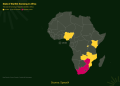
The availability of Starlink in Nigeria has been somewhat fluctuating. While initially available, there have been periods where new subscriptions were limited or unavailable. Recent reports from July 2025 indicated that Starlink resumed sign-ups in key areas like Lagos and Abuja after a period of limited availability. It’s important to check the Starlink website for the most up-to-date information on service availability in your specific location within Nigeria.
Residential vs. Business Plans
It’s crucial to distinguish between Starlink’s residential and business plans. As of late 2024, some users reported difficulty accessing the residential plan, with only the business plan being offered in certain cities. The business plan typically comes with higher data allowances and priority support, but also at a higher price point. Residential plans offer a more cost-effective entry point for individual users and families.
Why Availability Fluctuates
Several factors can influence Starlink’s availability in Nigeria. These include:
- Network Capacity: Starlink’s network capacity in Nigeria is likely still developing. As more users join, Starlink needs to ensure adequate bandwidth for all subscribers.
- Regulatory Approvals: Regulatory hurdles can sometimes delay or limit the rollout of services.
- Equipment Availability: Supply chain issues can impact the availability of Starlink kits.
- Geographic Restrictions: Starlink utilizes cells, and some cells in Nigeria may be at capacity.
Starlink Performance and User Experiences in Nigeria
While precise performance metrics for Starlink in Nigeria are still emerging, user reports generally indicate a significant improvement over traditional internet options, especially in rural or underserved areas. Factors influencing performance include:
- Location: Satellite internet performance can vary based on location and potential obstructions like trees or buildings.
- Network Congestion: Peak hours may experience slower speeds due to increased network usage.
- Weather Conditions: Heavy rain or storms can sometimes affect satellite signal quality.
Real-World Speed Tests and Latency
Specific speed test data for Nigeria is scarce. However, global Starlink users generally report download speeds ranging from 50 to 200 Mbps, and latency (ping) ranging from 20 to 40 milliseconds. Actual speeds in Nigeria will depend on the factors listed above.
Pricing and Subscription Options for Starlink in Nigeria
Starlink offers different subscription plans to cater to varying needs and budgets. As mentioned earlier, both residential and business plans may be available. Pricing typically includes the cost of the Starlink kit (dish, router, and cables) plus a monthly subscription fee.
Understanding the Costs
It’s important to factor in all costs associated with Starlink, including:
- Equipment Cost: This is a one-time upfront cost for the Starlink kit.
- Monthly Subscription Fee: This is a recurring monthly charge for internet service.
- Shipping and Handling: There may be additional charges for shipping the Starlink kit to your location.
- Taxes and Fees: Local taxes and fees may apply.
Comparing Starlink Plans
Carefully compare the features and pricing of different Starlink plans to determine the best option for your needs. Consider factors like data allowances, speed, and priority support.
Potential Challenges and Limitations of Starlink in Nigeria
Despite its potential, Starlink faces certain challenges in Nigeria:
- Affordability: The cost of Starlink may be prohibitive for some users, especially in a country with varying income levels.
- Competition: Starlink faces competition from existing mobile network operators and fiber optic providers in urban areas.
- Infrastructure: While Starlink bypasses the need for extensive terrestrial infrastructure, reliable electricity is still required to power the Starlink kit.
Addressing the Digital Divide
Despite these challenges, Starlink has the potential to significantly bridge the digital divide in Nigeria by providing internet access to underserved communities. Its impact on emerging markets could be transformational.
The Future of Starlink in Nigeria
The future of Starlink in Nigeria appears promising, with potential for continued expansion and improvement in service quality. As Starlink continues to launch more satellites and refine its technology, we can expect:
- Increased Capacity: More satellites will lead to increased network capacity and faster speeds.
- Lower Latency: Technological advancements will further reduce latency, improving the user experience.
- Wider Availability: Starlink is likely to expand its coverage area, reaching even more remote locations in Nigeria.
- Competitive Pricing: Increased competition and economies of scale could lead to more affordable pricing options.
Starlink and the Nigerian Economy
Improved internet access through services like Starlink can have a positive impact on the Nigerian economy by:
- Facilitating E-commerce: Enabling businesses to reach wider markets and sell their products online.
- Promoting Education: Providing access to online learning resources and educational opportunities.
- Supporting Remote Work: Allowing individuals to work remotely and participate in the global economy.
- Boosting Innovation: Creating a more connected and innovative environment.
Alternatives to Starlink in Nigeria
While Starlink offers a compelling solution for internet access in Nigeria, it’s important to consider alternative options. These include:
- Mobile Network Operators (MNOs): MTN, Airtel, Glo, and 9mobile offer mobile broadband services with varying levels of coverage and speed.
- Fiber Optic Providers: In urban areas, fiber optic internet providers offer high-speed, reliable internet access.
- Fixed Wireless Providers: These providers use radio waves to deliver internet access to homes and businesses.
Choosing the Right Option
The best internet option for you will depend on your specific needs, location, and budget. Compare the pros and cons of each option carefully before making a decision.
Conclusion: Starlink’s Potential Impact on Nigeria
Starlink has the potential to revolutionize internet access in Nigeria, particularly in rural and underserved areas. While challenges remain, the company’s ongoing expansion and technological advancements suggest a promising future for satellite internet in the country. Keeping abreast of the Starlink in South Africa, another important market, can provide insight on Africa-wide trends. As Starlink continues to evolve, it’s poised to play a significant role in bridging the digital divide and fostering economic growth in Nigeria.