Starlink, the ambitious satellite internet constellation developed by SpaceX, has rapidly emerged as a formidable force in bridging the global digital divide. Offering high-speed, low-latency broadband internet in regions where traditional infrastructure is unreliable or non-existent, Starlink is continuously evolving its service models to meet diverse user needs. Recent shifts indicate a clear move towards enhanced flexibility, from adaptable payment structures for mobile users to innovative hardware rental programs, signifying a more accessible future for satellite internet.
At its core, Starlink’s promise is straightforward: provide robust internet access to anyone, anywhere. This vision, however, is supported by a complex and dynamic network of technological advancements and strategic service developments. As of late 2024, the focus has sharpened on offering more granular control over subscriptions and hardware, directly responding to user demands for short-term access and reduced upfront costs, particularly for mobile and recreational applications.
Understanding Starlink’s Mission and Technology
Starlink isn’t just another internet provider; it’s a paradigm shift in how connectivity is delivered. Unlike geostationary satellites orbiting thousands of miles above Earth, Starlink operates a vast constellation of small satellites in low Earth orbit (LEO). This fundamental difference underpins its superior performance.
The Constellation: Thousands of Satellites in LEO
The sheer scale of Starlink’s LEO constellation is staggering. Thousands of satellites, each roughly the size of a table, constantly traverse the globe at altitudes significantly lower than traditional communication satellites. This proximity to Earth drastically reduces latency, a critical factor for online gaming, video conferencing, and other real-time applications, making the experience far more akin to fiber optic connections than conventional satellite internet. The continuous deployment and replenishment of these satellites ensure global coverage and resilience, even as individual units eventually de-orbit and are replaced.
How it Works: Dishy, Routers, and Ground Stations
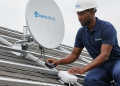
Accessing Starlink internet requires a user terminal, affectionately nicknamed ‘Dishy,’ which is an advanced phased-array antenna designed to automatically orient itself towards the optimal overhead satellites. This dish connects to a Starlink router, creating a Wi-Fi network within the user’s premises. The data then travels from the dish to the satellites, down to ground stations connected to the global internet backbone, and back again. This intricate dance of hardware and software facilitates a seamless connection, even in remote landscapes or at sea. The system is engineered for simplicity of setup, often allowing users to get online within minutes of unpacking their kit.
Key Advantages Over Traditional Satellite Internet
Starlink’s advantages are multifold. Primarily, its low-latency performance significantly outpaces older satellite systems, which are plagued by hundreds of milliseconds of delay due to the immense distance to geostationary satellites. Secondly, the high bandwidth offered supports multiple concurrent users and data-intensive activities, with residential services providing typical download speeds that can reach up to 100 Mbps or even 200 Mbps for specific tiers, as outlined on the official Starlink service plans page. Furthermore, its global reach promises to bring connectivity to underserved populations, transforming economic and educational opportunities in previously isolated areas. For more insight into Starlink’s evolving orbit and technological advancements, one can explore recent analyses.
Evolving Service Plans: Flexibility at the Forefront
Recognizing the diverse needs of its user base, Starlink has significantly expanded and refined its service plan offerings. Beyond its foundational residential service, the company has introduced options tailored for mobility, occasional use, and even hardware accessibility through rental programs. This evolution underscores a strategic effort to make Starlink more adaptable and financially approachable for a broader audience.
Residential Service: Speed Tiers and Core Offerings
The cornerstone of Starlink’s offerings remains its Residential service, designed for fixed locations. Users in regions with available capacity can typically choose from standard speed tiers, which, according to current specifications, might include options limited to download speeds of 100 Mbps or 200 Mbps. These tiers are crafted to provide robust, consistent internet for homes and businesses that require reliable, high-speed access without the need for mobility.
Starlink Roam: Designed for Mobility
For those whose lives or work demand internet on the move, Starlink Roam (formerly known as Starlink RV) presents a compelling solution. This plan caters specifically to users in recreational vehicles, campers, and anyone requiring portable internet. A key feature of Roam is its enhanced flexibility, including recent explorations into prorated service options.
Unpacking Roam: From Occasional Trips to Extended Journeys
Starlink Roam plans are designed to be activated and deactivated as needed, offering unprecedented freedom for travelers. A popular option, for instance, includes a 100GB package capable of delivering speeds up to 300+ Mbps, typically sufficient for approximately one week of standard usage. This makes it an ideal choice for short camping trips, weekend getaways, or temporary work setups where reliable internet is paramount. For users requiring more extensive or indefinite mobility, unlimited low-priority data is also available, ensuring continuous connectivity even if speeds fluctuate during peak network congestion.
Billing Flexibility for Roam Users
Addressing a common pain point for mobile users who don’t need continuous monthly service, Starlink has introduced greater billing flexibility for its Roam offerings. While the standard model is monthly, discussions among users, as seen on platforms like Reddit (June 8, 2023), frequently revolve around the desire for shorter payment cycles. Starlink has responded by offering prorated service for certain plans, such as a 50GB option, allowing for weekly or short-term usage. However, it’s crucial for users to understand the specific billing cycle rules associated with these prorated services, as they might still tie into a monthly billing period even if usage is intermittent.
Hardware Accessibility: The Rise of Rental Options
The upfront cost of Starlink hardware has historically been a barrier for some potential users. To mitigate this, Starlink has begun to offer hardware rental options in select countries, providing a more financially accessible entry point to its services. For a modest fee, typically around $10 per month, users can rent the Starlink dish and router in addition to their monthly service charge. This rental model offers significant flexibility, particularly for those who need Starlink for a temporary project, want to try the service before committing to a purchase, or simply prefer not to own the equipment.
Beyond Starlink’s direct rental program, third-party providers are also innovating. For example, the Starlink Mini, a more portable version of the standard dish, is available for rental from services like SatPhoneStore, with options for weekly or monthly rental periods. These rentals often come paired with flexible Regional or Global airtime options, tailored to specific travel itineraries. This multi-faceted approach to hardware acquisition significantly lowers the entry barrier and expands Starlink’s market reach.
Business and Maritime Solutions
While residential and mobile users form a large segment, Starlink also offers specialized plans for businesses, governments, and maritime operations. These plans provide higher priority data, enhanced support, and ruggedized hardware designed for demanding environments, further showcasing the versatility of the Starlink network.
The Nuances of Starlink Billing and Activation
Navigating the billing and activation process for Starlink can sometimes raise questions, especially for new users. Understanding the various stages, from initial payment to service commencement, is crucial for a smooth experience.
Initial Investment: Hardware and First Month’s Service
When ordering Starlink, users typically incur a one-time charge for the hardware kit, which includes the Dishy, router, cables, and base. In many cases, the first month of service is also billed at the time of order or shortly thereafter. This upfront payment secures the equipment and initiates the service subscription process. It’s important for prospective users to factor in both these costs when considering Starlink.
Activation Timelines and Service Commencement
A common misconception, highlighted by a Reddit discussion from November 25, 2021, is the timing of service billing relative to hardware activation. Users have reported receiving a bill for their first month’s service even before they had physically activated their Starlink dish. This is generally because the service subscription begins upon shipment or within a defined period after the kit is ordered, rather than strictly upon user activation. Therefore, it’s advisable for users to activate their hardware promptly upon receipt to maximize the value of their initial service period.
Decoding Prorated Charges and Billing Cycles
With the introduction of more flexible plans, understanding prorated charges and billing cycles has become even more important. While Starlink offers prorated service for certain mobile plans, allowing for shorter-term usage, these typically still align with a monthly billing cycle. For instance, if a user activates a Roam plan mid-month, they might be charged a prorated amount for the remainder of that month, with the full monthly fee then applied at the start of the next cycle. This system provides flexibility for occasional use while maintaining a structured billing framework. Users seeking to understand the intricacies of flexible connectivity options and their billing should review Starlink’s terms of service carefully.
Starlink’s Impact on Global Connectivity and Innovation
Beyond its technical specifications and evolving service models, Starlink’s true significance lies in its transformative impact on global connectivity, fostering innovation and providing critical infrastructure where none existed.
Bridging the Digital Divide
One of Starlink’s most profound impacts is its ability to bridge the digital divide. In rural communities, remote villages, and developing nations, access to reliable, high-speed internet can be a luxury or entirely unavailable. Starlink changes this narrative by providing a viable, often superior, alternative to sluggish DSL, unreliable cellular data, or non-existent fiber optics. This connectivity empowers education, telemedicine, economic development, and social inclusion, unlocking potential in areas previously constrained by geographical isolation.
Emergency Response and Remote Operations
The portability and rapid deployment capabilities of Starlink make it an invaluable tool for emergency response and remote operations. In disaster-stricken areas where ground infrastructure has been destroyed, Starlink can quickly establish communication links, aiding rescue efforts and humanitarian aid distribution. Similarly, industries operating in remote locations, such as mining, offshore drilling, and scientific research, can maintain robust communication and data transfer capabilities, significantly enhancing safety and operational efficiency.
Manufacturing Prowess: A Visit to Bastrop
The scale of Starlink’s deployment is only possible due to advanced manufacturing capabilities. The production facilities are hubs of innovation, employing cutting-edge robotics and streamlined processes to produce thousands of satellites and user terminals annually. As noted by Olivia Trusty in a social media update on July 23, 2026, a visit to the Starlink manufacturing facility in Bastrop, Texas, offers a firsthand glimpse into how American innovation is driving this global connectivity revolution. These facilities represent not just production lines, but also significant investments in local economies and high-tech job creation.
Challenges and the Road Ahead
Despite its successes, Starlink faces a complex landscape of challenges, ranging from environmental concerns to intense market competition. Addressing these hurdles will be crucial for its sustained growth and long-term impact.
Satellite Congestion and Debris Concerns
The proliferation of LEO satellites, not just by Starlink but by other emerging constellations, raises concerns about orbital congestion and space debris. While SpaceX implements advanced de-orbiting strategies for its satellites, the sheer number of objects in orbit necessitates careful management to prevent collisions and ensure the long-term sustainability of space activities. Regulatory bodies and international agreements are continuously evolving to address these complex issues.
Regulatory Hurdles and Global Expansion
Expanding Starlink’s service globally involves navigating a mosaic of national and international regulations. Each country has its own telecommunications laws, licensing requirements, and spectrum allocations, which can present significant hurdles for rapid deployment. Securing necessary approvals and establishing local partnerships are ongoing challenges that require diplomatic engagement and adherence to diverse legal frameworks.
Competition in the LEO Satellite Space
Starlink is not alone in the LEO satellite internet arena. Companies like OneWeb, Amazon’s Project Kuiper, and others are also developing their own constellations, intensifying competition. This rivalry could lead to pricing pressures, demands for even greater service differentiation, and a race to innovate, ultimately benefiting consumers through more choices and potentially lower costs.
Future Outlook: What’s Next for Starlink?
The trajectory of Starlink suggests a future where ubiquitous high-speed internet is not just a pipe dream but a tangible reality for billions. The company’s commitment to continuous improvement promises further advancements.
Enhancements in Hardware and Software
Expect ongoing refinements to Starlink’s hardware, potentially leading to more compact, energy-efficient, and easier-to-install user terminals, such as the Starlink Mini. Software updates will also continue to optimize network performance, improve data routing, and enhance user experience. Innovations in satellite design could also lead to increased bandwidth capacity and reduced production costs.
Expanding Service Offerings and Geographic Reach
Starlink’s footprint is ever-expanding, with new countries and regions coming online regularly. Future plans likely include broader global coverage, particularly in underserved markets, and the introduction of specialized service tiers catering to niche demands, such as high-volume enterprise solutions or even more dynamic mobile connectivity packages. The expansion of ground station infrastructure will also be critical to support this growth.
The Vision for Ubiquitous High-Speed Internet
Ultimately, Starlink is working towards a future where reliable, high-speed internet is a universal utility, accessible to everyone, regardless of their location. This vision extends beyond mere connectivity; it’s about enabling economic growth, fostering innovation, and enhancing quality of life on a global scale. As Starlink continues to evolve its technology and service models, it remains a critical player in shaping the future outlook for satellite internet and global digital inclusion.
In conclusion, Starlink represents a monumental leap forward in telecommunications. By leveraging a vast LEO satellite constellation and continually refining its service offerings to include more flexible payment options and hardware rentals, it is effectively dismantling traditional barriers to internet access. While challenges persist, the trajectory of Starlink’s development firmly positions it as a key driver in making high-speed, low-latency internet a ubiquitous resource, fostering a more connected and equitable world.