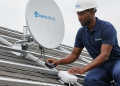
Starlink, the ambitious satellite internet constellation from SpaceX, continues to redefine global connectivity, pushing boundaries for what's possible in remote and mobile internet access. What began as a transformative solution for underserved areas has rapidly evolved into a versatile ecosystem catering to a diverse range of users, from permanent rural residents to transient travelers and temporary setups. The key to this ongoing evolution lies in Starlink's increasingly flexible service offerings, designed to meet the dynamic needs of a connected world.
Recent developments highlight a significant pivot towards greater user choice, particularly regarding payment models and hardware acquisition. This strategic shift is directly addressing long-standing community requests for more adaptable plans beyond the traditional monthly subscription. Users are increasingly seeking options that align with temporary deployments, seasonal travel, or short-term projects, and Starlink is responding with solutions like prorated billing, hardware rentals, and specialized "Roam" services. This deep dive explores the current landscape of Starlink's flexibility, detailing how these innovations are shaping the future of high-speed internet access worldwide.
The Evolving Landscape of Starlink Connectivity
Starlink's journey has been marked by continuous innovation, not just in satellite technology but also in service delivery. Initially, the focus was squarely on providing high-speed, low-latency internet to fixed locations where traditional broadband was unavailable or unreliable. However, as the network matured and user feedback poured in, the demand for more agile connectivity options became undeniable.
Addressing the Demand for Flexible Access
For years, discussions on platforms like Reddit, dating back to at least June 2023, have highlighted a clear user desire for shorter billing cycles. Many customers, especially those utilizing Starlink for recreational vehicles (RVs), temporary work sites, or brief vacations, found the standard monthly subscription model restrictive. The question "Does anyone know if Starlink will introduce weekly payments or something?" echoed across user forums, underscoring a fundamental need for internet service that could be paused, activated, and paid for on a more granular basis than a full month. This persistent feedback has undoubtedly influenced Starlink's strategic decisions, leading to the introduction of more accommodating service structures.
Starlink Roam: Internet Beyond Fixed Locations
One of the most significant innovations in addressing flexible access is the Starlink Roam service, formerly known as Starlink RV. This service tier is specifically engineered for users who require high-speed internet on the go, offering unparalleled freedom for travel and mobile operations. The Roam plan typically provides robust connectivity, with advertised speeds of up to 300+ Mbps, which can support approximately one week of typical use for an allowance of 100GB. This makes it an ideal solution for remote workers exploring national parks, digital nomads traversing continents, or families embarking on extended road trips. The flexibility of Roam lies in its ability to be activated and deactivated as needed, ensuring users only pay for service when they require it, a crucial feature for intermittent usage patterns.
Navigating Starlink's Payment and Rental Options
Beyond the inherent flexibility of the Roam service, Starlink has also introduced more nuanced payment and hardware acquisition methods, directly addressing the core needs of users seeking short-term and cost-effective solutions. This reflects a maturation of Starlink's business model, moving towards a more customer-centric approach that acknowledges diverse financial and operational requirements.
Short-Term Service and Prorated Billing
A notable development, as observed in discussions as recent as November 2024, is Starlink's offering of prorated service for specific data plans, such as a 50GB option. This allows for weekly or short-term use, providing a genuine alternative to committing to a full monthly cycle. As pointed out by community experts like Derek Berry, while this plan enables short-term usage, it's important for users to understand the specific billing cycle rules that govern activation and deactivation to maximize its benefits and avoid unexpected charges. This move signifies a direct response to the demand for micro-duration connectivity, which is particularly valuable for brief projects or transient needs.
This evolving payment structure also clarifies initial user confusion surrounding billing. For instance, a Reddit thread from November 2021 revealed users receiving their Starlink hardware, paying upfront for equipment (e.g., $581), and then being charged for the "first month of service" even before activating the dish. The current prorated options and clearer guidance aim to mitigate such misunderstandings, ensuring users are billed transparently from the point of service activation, aligning payment more closely with actual usage periods.
The Rise of Hardware Rental Programs
Recognizing that the upfront cost of Starlink hardware can be a barrier for some, Starlink has introduced a hardware rental program in select countries. This innovative offering allows users to rent the Starlink dish and associated equipment for a modest fee, typically around $10 per month, in addition to the regular monthly service fee. This initiative dramatically lowers the entry barrier for new users, providing a flexible option to experience Starlink internet without a significant initial investment. For individuals or businesses testing the waters, or those with highly temporary internet needs, this rental model represents a compelling proposition. This move aligns with the broader trend toward subscription and rental economies, making cutting-edge technology more accessible. For more on how Starlink is making connectivity accessible, read our article on Starlink's Adaptable Connectivity: Plans, Rentals & Future.
Starlink Mini Rentals: A Niche for Ultra-Portability
Further enhancing flexibility, third-party providers like SatPhoneStore have begun offering rental options for the Starlink Mini, a compact and highly portable version of the standard dish. These rentals cater specifically to users requiring ultra-portable internet for specific durations, with options ranging from one week to multiple months. Typical rental packages for the Starlink Mini often include 50GB of data, with clear guidelines for overage charges: approximately $1.99 per GB for US local use and $3.99 per GB for global overages. This specialized rental market underscores the diverse applications of Starlink technology and the growing demand for highly localized, short-term, and flexible internet solutions.
Performance and Service Tiers
While flexibility in billing and hardware is crucial, the performance of the Starlink network remains a core determinant of user satisfaction. Starlink continues to offer various service tiers, each designed to meet different performance expectations and usage patterns.
Understanding Residential Speed Tiers
For its residential customers, Starlink provides defined speed tiers, such as Residential 100 Mbps and Residential 200 Mbps. These tiers cap download speeds at 100 Mbps and 200 Mbps respectively, offering a predictable performance ceiling for users in fixed locations. These limits are designed to manage network capacity and provide consistent service within the subscribed tier. While the Roam service emphasizes mobility, residential plans cater to more stable, high-bandwidth needs, ensuring that even as Starlink expands its flexible offerings, it continues to deliver robust performance for its foundational customer base.
The Engine Behind the Network: Manufacturing and Innovation
The ability to offer such diverse and flexible plans is rooted in Starlink's impressive manufacturing capabilities and its relentless pursuit of technological advancement. The sheer scale of satellite deployment and ground hardware production is a testament to SpaceX's engineering prowess.
Inside Starlink's Production Hub
The heart of Starlink's hardware production lies in facilities like the one in Bastrop, Texas. As highlighted by figures such as Olivia Trusty following her visit in July 2026, these manufacturing plants are centers of American innovation, rapidly producing the dishes, routers, and other components necessary to expand and maintain the global network. Witnessing the efficiency and scale of these operations firsthand provides insight into how Starlink can continually iterate on its hardware and respond to evolving market demands with new product lines like the Starlink Mini. The consistent output from these facilities ensures that Starlink can keep pace with its aggressive deployment schedule and meet the growing demand for its services globally. For a deeper look into the technology that powers this network, consider reading Starlink: Unpacking Next-Gen Satellite Internet & Flexible Access.
Starlink's Future Trajectory: Global Reach and Adaptability
Starlink's current trajectory indicates a strong commitment to expanding both its geographical coverage and the versatility of its service offerings. The emphasis on flexibility is not merely a response to market trends but a fundamental part of its strategy to become the go-to internet solution for virtually any scenario.
Bridging the Digital Divide
At its core, Starlink remains dedicated to its mission of bridging the global digital divide. By providing high-speed internet to remote and underserved areas, it empowers communities, supports education, facilitates economic development, and provides critical communication infrastructure, particularly during disaster relief efforts. The expansion of flexible plans, including short-term and mobile options, only enhances this mission by making connectivity accessible to an even wider demographic, irrespective of their permanence or location.
Continuous Evolution of Service Offerings
The future for Starlink will undoubtedly see continued innovation in its service plans. As the constellation grows and ground infrastructure expands, the potential for even more refined and customized service tiers will emerge. This could include further granular payment options, specialized plans for specific industries (e.g., maritime, aviation, enterprise), and enhanced data management tools for users. The responsiveness Starlink has shown to user feedback suggests an ongoing commitment to adaptability, ensuring that its offerings remain relevant and competitive in a rapidly changing digital landscape. To stay abreast of these ongoing developments, explore articles like Starlink's Evolving Connectivity: Flexible Plans & Global Reach.
Conclusion: Starlink’s Commitment to Flexible Connectivity
Starlink has firmly established itself not just as a provider of satellite internet, but as a pioneer in flexible, global connectivity solutions. From its robust Roam service to newly introduced prorated billing for short-term use and accessible hardware rental programs, the company is actively listening to and addressing the diverse needs of its user base. The ongoing expansion of its manufacturing capabilities, exemplified by the Bastrop facility, ensures a continuous supply of innovative hardware, further enabling these flexible service models.
This commitment to adaptability positions Starlink as a leading force in the ongoing quest to provide reliable, high-speed internet to every corner of the globe. As the network matures and technology advances, we can anticipate even more sophisticated and user-friendly options, cementing Starlink's role as a critical enabler of a truly connected world, irrespective of location or duration of need.