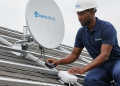
Starlink’s Mission: Bridging the Digital Divide with Low Earth Orbit Satellites
Starlink, the ambitious satellite internet constellation developed by SpaceX, has rapidly emerged as a transformative force in global connectivity. Since its inception, the project has aimed to deliver high-speed, low-latency broadband internet to underserved and remote areas worldwide, a goal that continues to shape its operational strategies and service expansions. As of late 2024, Starlink’s network comprises thousands of satellites orbiting in low Earth orbit (LEO), a crucial design choice that differentiates it from traditional geostationary satellite systems. This strategic positioning significantly reduces the signal’s travel time, known as latency, providing an internet experience far superior to its predecessors and increasingly competitive with terrestrial broadband solutions in many regions.
The impact of Starlink extends beyond mere technical specifications; it represents a significant stride towards digital equity, offering a lifeline to communities previously cut off from reliable internet access. This unprecedented reach is not without its complexities, encompassing evolving service plans, hardware innovations, and a dynamic operational landscape. Understanding the intricacies of Starlink’s offerings—from its various subscription tiers to its increasingly flexible payment and hardware rental models—is essential for anyone considering this cutting-edge connectivity solution. The company’s commitment to continuous improvement means that its services, pricing, and availability are always in flux, reflecting both technological advancements and market demands.
The Technology Behind the Constellation: LEO Advantages
Starlink’s core technological advantage lies in its vast constellation of LEO satellites. Unlike traditional geostationary satellites that orbit at approximately 36,000 kilometers, Starlink satellites operate at altitudes ranging from 550 to 1,325 kilometers. This proximity to Earth drastically cuts down the “ping” time, or latency, making activities like online gaming, video conferencing, and real-time data processing feasible for the first time via satellite internet. Each satellite is equipped with advanced phased-array antennas, allowing them to precisely steer beams of data to user terminals on the ground, known as “Dishy.” The network’s design also incorporates inter-satellite laser links, enabling satellites to communicate with each other in space, reducing the reliance on ground stations and extending the service’s global reach, particularly over oceans and remote landmasses.
This innovative architecture allows for a robust and redundant network. Should a single satellite fail or be out of position, others can seamlessly take over its coverage area, ensuring continuous service. The continuous deployment of new, more capable satellites by SpaceX’s Falcon 9 rockets ensures the network’s expansion, resilience, and performance enhancements. This iterative approach to deployment and technological refinement underpins Starlink’s ability to consistently improve its service quality and expand its coverage map, delivering on its promise of reliable, high-speed internet to an ever-growing user base. For a deeper dive into the fundamental principles, you might explore articles dedicated to decoding satellite internet’s latest frontier.
Expanding Global Reach: Current Footprint and Future Projections
Starlink’s operational footprint has expanded rapidly across continents, bringing internet access to dozens of countries and territories globally. From isolated rural homesteads in North America to remote villages in Africa and critical infrastructure in disaster zones, Starlink has demonstrated its capability to penetrate areas traditionally deemed unprofitable or impractical for conventional broadband providers. The company regularly updates its coverage maps, reflecting new approvals from national regulators and the ongoing deployment of its satellite constellation. While availability is widespread, service performance can still vary based on geographical location, local network congestion, and the density of active users within a given “cell.”
Looking ahead, Starlink’s future projections involve further densification of its satellite constellation, which will increase bandwidth capacity and reduce latency even further. Plans also include the launch of next-generation satellites, potentially larger and more powerful, designed to meet the escalating demands of a globally connected society. Continued regulatory approvals in more countries remain a key objective, unlocking new markets and fulfilling the vision of truly ubiquitous global internet access. This expansion is not just about connecting more people, but also about improving the quality and reliability of that connection for everyone already on the network, ensuring Starlink remains a viable and compelling option for diverse connectivity needs.
Unpacking Starlink’s Service Plans: Tailoring Connectivity to Your Needs
Starlink’s portfolio of service plans has evolved considerably since its initial rollout, moving beyond a single residential offering to encompass a variety of options designed to cater to different user requirements, from fixed home use to mobile and enterprise-grade solutions. This diversification reflects the company’s understanding of a broad market, recognizing that a “one-size-fits-all” approach cannot adequately serve the diverse demands of its growing customer base. Current offerings prioritize flexibility and performance, albeit with distinct characteristics and pricing structures tailored to their intended applications. Users are encouraged to assess their specific connectivity needs, mobility requirements, and budget constraints before selecting a plan, as each is optimized for a particular use case.
The move towards more segmented services allows Starlink to manage network resources effectively, ensuring optimal performance for critical applications while providing cost-effective options for more casual users. This approach also helps in addressing common user queries and frustrations, particularly around data caps, speed variations, and the ability to pause or resume service—features that have become increasingly important for modern internet consumers. Starlink’s ongoing adjustments to its service model highlight its responsiveness to customer feedback and its strategic positioning in the highly competitive satellite internet market. For a comprehensive overview of these flexible options, consider delving into Starlink’s evolving connectivity options.
Residential and Fixed Site Offerings: Speed Tiers and Performance
For most home users and fixed locations, Starlink offers its foundational Residential plans, designed for consistent high-speed internet access. Historically, these plans provided “best effort” service with speeds varying based on network load. However, recent developments indicate a more structured approach with the introduction of specific speed tiers. According to Starlink’s official communications, users on Residential 100 Mbps and Residential 200 Mbps plans will be limited to download speeds of 100 Mbps and 200 Mbps respectively. This change signals a shift towards more predictable performance, allowing users to choose a plan that aligns with their specific bandwidth requirements and budget.
These fixed-site plans are ideal for households, small businesses, and remote offices requiring reliable internet for activities ranging from streaming and online learning to remote work and extensive data transfers. While upload speeds might typically be lower than download speeds, they generally remain sufficient for most common applications. The consistent evolution of these plans aims to provide a stable and high-quality internet experience, making Starlink a viable alternative or even a primary internet solution in areas where fiber or traditional cable broadband is unavailable or unreliable. Users should regularly check their local service availability and expected speeds on the Starlink website for the most accurate information.
Mobile and Roam Services: Connectivity on the Go
Starlink’s offerings have expanded significantly to cater to the growing demand for mobile connectivity. The “Roam” service (formerly “RV”) is a prime example, providing high-speed internet on the go for recreational vehicles, nomadic lifestyles, and temporary setups. The “Roam – 100GB” plan is specifically highlighted as offering up to 300+ Mbps for approximately one week of typical use, making it an excellent option for short trips or intermittent travel. This plan’s structure allows users to access robust internet speeds in diverse locations, providing freedom and flexibility that traditional internet providers cannot match.
Furthermore, Starlink has introduced specialized hardware for mobile users, such as the Starlink Mini. This compact, portable dish is designed for ultimate portability and convenience. Rental options for the Starlink Mini are available, allowing users to choose from weekly or monthly rental periods. These rentals can be paired with flexible Regional or Global airtime options, tailored specifically to individual journey lengths and international travel needs. This innovative rental model, as offered by providers like SatPhoneStore, represents a significant step towards democratizing portable satellite internet, removing the barrier of upfront hardware costs for short-term users.
Flexible Payment and Hardware Options: Addressing User Demands
One of the most frequent topics of discussion among potential and existing Starlink users revolves around payment flexibility and hardware acquisition. Community forums, such as Reddit, frequently feature queries like “Does anyone know if Starlink will introduce weekly payments or something? Not everyone is using their Starlink for 1-month vacations.” These discussions underscore a clear demand for shorter billing cycles, particularly from users with intermittent or seasonal needs, such as RV owners or those needing temporary connectivity.
Addressing this, Starlink has made strides towards more flexible billing. While full weekly payments might not be universally available across all plans, some offerings now include prorated service. For instance, reports from November 2024 on platforms like Facebook confirm that Starlink offers prorated service for specific plans, such as a 50GB option, allowing for weekly or short-term use. However, it’s important to note that specific billing cycle rules apply, and users should clarify these details directly with Starlink or their rental provider. This proration, while not a true “weekly payment” in all contexts, provides a mechanism for users to pay only for the service consumed within a billing period, offering a degree of flexibility.
Beyond service payments, Starlink also offers hardware rental options. In select countries, customers can rent Starlink hardware for $10 per month, in addition to the monthly service fee. This provides a significantly more accessible entry point, particularly for those hesitant to commit to the upfront purchase cost of the Starlink dish and mounting equipment. This rental model, combined with flexible airtime options for devices like the Starlink Mini, showcases Starlink’s commitment to making its high-speed internet more accessible and adaptable to a wider range of users and scenarios.
However, it’s crucial for new users to understand the initial billing process. As observed in Reddit discussions from November 2021, an initial payment (e.g., $581 for hardware and potentially the first month) is typically made upon ordering. Subsequent billing for service can commence even before the dish is actively used, as one user noted, “I received my Starlink a week ago and haven’t even activated it yet… I thought the $99 was for the first month of service, and I didn’t even activate the dish yet. I ordered in mid Oct and paid the $581 and now I’m being billed.” This highlights the importance of understanding the activation and billing cycle terms to avoid unexpected charges.
The Evolving Landscape of Starlink’s Operations and Leadership
Starlink’s journey is not just a technological narrative; it’s also a story of dynamic corporate strategy, market positioning, and significant organizational movements. Operating under the umbrella of SpaceX, Starlink is influenced by the broader strategic objectives and rapid pace of innovation inherent to Elon Musk’s enterprises. The satellite internet sector itself is intensely competitive, with new players and established telecommunication giants vying for market share. This competitive pressure, coupled with the immense operational challenges of managing a global satellite constellation, necessitates constant adaptation and strategic leadership from Starlink.
Maintaining an agile organizational structure capable of responding to both technological advancements and market shifts is paramount. This includes not only the engineering and launch teams at SpaceX but also the sales, customer service, and regulatory divisions dedicated to Starlink. The company’s ability to scale its operations, expand its geographical reach, and refine its service offerings is directly tied to the strength and vision of its leadership team. As Starlink solidifies its position as a leading global internet provider, its internal dynamics and key personnel decisions become increasingly relevant for understanding its future trajectory.
Navigating the Competitive Satellite Internet Market
The satellite internet market, once dominated by a few geostationary providers, is experiencing a renaissance, largely driven by the LEO constellation paradigm pioneered by Starlink. Competitors like OneWeb, with its own LEO constellation focused more on enterprise and government clients, and Project Kuiper from Amazon, which is rapidly developing its own LEO network, are intensifying the competitive landscape. Each player brings distinct strategies, technological approaches, and target markets to the table, creating a vibrant yet challenging environment for Starlink.
To maintain its competitive edge, Starlink continuously innovates on several fronts: hardware efficiency (e.g., Starlink Mini), network capacity (more satellites, laser links), and service flexibility (diverse plans, rental options). Pricing strategies, speed guarantees, and customer support also play crucial roles in attracting and retaining subscribers. The sheer scale of Starlink’s constellation and its rapid deployment schedule provide a significant first-mover advantage, but sustained success will depend on its ability to consistently deliver superior service, adapt to regulatory environments, and effectively differentiate itself from emerging rivals.
Key Personnel Transitions: A Glimpse into SpaceX’s Starlink Division
Like any large, rapidly growing technology enterprise, Starlink experiences key personnel changes that can signal shifts in strategic focus or operational priorities. A notable development, as revealed in a LinkedIn post from Jason Fritch, who served as the Worldwide Enterprise Sales lead for Starlink at SpaceX, indicated his transition. Fritch’s post on July 9, 2026, marked his last week at SpaceX after nearly three years in a pivotal role for Starlink’s enterprise growth. Such leadership transitions, particularly in a segment as critical as enterprise sales, can often reflect a natural evolution within the company, perhaps signaling a new phase of market penetration or a recalibration of strategic partnerships.
These changes provide an interesting lens through which to view Starlink’s internal operations and future business development. High-level departures can pave the way for new leadership perspectives and strategies, potentially impacting how Starlink approaches its enterprise clients, government contracts, and global expansion efforts in the coming years. While individual transitions are part of the corporate landscape, they collectively contribute to the ongoing narrative of Starlink’s growth, maturation, and strategic direction within the broader SpaceX ecosystem.
User Experiences and Practical Considerations: Maximizing Your Starlink Investment
For individuals and businesses considering Starlink, understanding the real-world user experience and practical considerations is as important as reviewing technical specifications. The initial excitement of gaining access to high-speed internet in remote areas often comes with a learning curve regarding installation, service management, and troubleshooting. Community feedback, particularly from platforms like Reddit, offers invaluable insights into the daily realities of owning and operating a Starlink system, highlighting both its strengths and areas where users might face challenges. Preparing for these aspects can significantly enhance satisfaction and maximize the return on a Starlink investment.
From the moment the Starlink kit arrives, users embark on a journey that blends innovative technology with practical deployment. Understanding data consumption patterns, knowing how to interpret performance metrics, and engaging with the robust online community can provide a comprehensive picture of what to expect. This section aims to distill these practical aspects, offering guidance based on widespread user experiences and expert observations, ensuring that potential users are well-informed before committing to Starlink’s unique brand of connectivity.
Installation and Activation: What to Expect
The Starlink kit, famously designed for “DIY” installation, typically includes the Starlink dish (often referred to as “Dishy McFlatface” by the community), a Wi-Fi router, cables, and a base. The setup process is generally straightforward: mount the dish in a location with an unobstructed view of the sky, connect the cables, and plug it in. The dish automatically orientates itself to connect with the satellites. However, “unobstructed view” is a critical factor; trees, buildings, or other tall structures can significantly degrade performance by blocking satellite signals. Users often utilize the Starlink app’s “obstruction finder” tool to identify optimal mounting locations.
Activation involves downloading the Starlink app and following prompts to connect to the network. As noted in user experiences, the initial billing for service can sometimes precede the actual activation or even the delivery of the kit. This is a point of confusion for some, who expect service charges to begin only once they actively use the internet. Therefore, it’s prudent to monitor billing cycles closely from the moment of purchase and understand that the first month’s service might be included in the initial hardware cost, with subsequent billing occurring on a fixed cycle regardless of immediate activation. This upfront understanding can prevent unexpected charges and improve overall customer satisfaction.
Understanding Data Usage and Performance in Real-World Scenarios
Starlink’s performance, while generally excellent, can vary based on several factors, including network congestion, geographic location, weather conditions, and the specific service plan. Users on Residential 100 Mbps and 200 Mbps plans will find their download speeds capped at these respective limits, providing predictable performance. The Roam – 100GB plan, offering up to 300+ Mbps for approximately one week of typical use, implies that higher speeds are possible but usage is metered, and performance might vary once the 100GB threshold is approached or exceeded. It’s important for users to monitor their data consumption, especially on plans with usage limits or soft caps, to avoid potential slowdowns or additional charges.
For activities like streaming 4K video, online gaming, and large file downloads, Starlink generally performs admirably. However, during peak usage hours in congested cells, users might observe temporary dips in speed. Weather phenomena, particularly heavy rain or snow, can also affect signal quality and speed, though the system is designed to be resilient. Managing expectations around these variables, and understanding that “up to” speeds are theoretical maximums, helps in appreciating Starlink’s capabilities in a realistic context. For a deeper dive into common concerns, an expert review on user issues and data management can be highly beneficial.
Community Insights: Learning from the Starlink Userbase
The Starlink community, particularly active on platforms like Reddit and Facebook, serves as an invaluable resource for both prospective and current users. These forums are brimming with discussions, troubleshooting tips, and shared experiences that offer candid insights into the service. Users frequently share their experiences regarding payment options, inquiring about “weekly payments or something” and discussing the nuances of prorated service for short-term use. This collective knowledge base can help navigate challenges related to billing cycles, optimize dish placement, and understand real-world performance under various conditions.
Discussions around initial billing, such as a user being billed after ordering but before activating their dish, highlight common pain points and the need for clear communication from Starlink. These community interactions provide a vital feedback loop, often shedding light on practical workarounds or offering peer support that complements official customer service. Engaging with the Starlink userbase can empower individuals to make informed decisions, manage expectations, and troubleshoot issues more effectively, transforming a potentially complex technological deployment into a smoother, more supported experience.
Starlink’s Broader Impact: From Remote Work to Disaster Relief
Beyond its commercial appeal to individual subscribers, Starlink’s influence extends to critical sectors, fundamentally altering how communities connect, work, and respond to emergencies. Its unique capability to provide robust internet in areas devoid of traditional infrastructure makes it an indispensable tool for bridging significant societal gaps. From empowering remote workers to facilitating critical communications in times of crisis, Starlink is not merely an internet service provider; it’s a catalyst for socio-economic development and humanitarian aid, demonstrating its profound impact on global resilience and progress.
The versatility of Starlink’s technology allows for deployments in challenging environments, making it a go-to solution for organizations and governments seeking rapid and reliable connectivity. This broader application underscores the strategic importance of LEO satellite internet in an increasingly interconnected and unpredictable world, highlighting its role far beyond routine internet browsing.
Empowering Rural and Underserved Communities
For decades, rural and underserved communities worldwide have struggled with limited or non-existent access to high-speed internet, a phenomenon often referred to as the “digital divide.” Starlink directly addresses this challenge by making broadband accessible and affordable in regions where laying fiber optic cables or deploying cellular towers is economically unfeasible or geographically difficult. This access has profound implications for education, healthcare, and economic development.
Students in remote areas can now participate in online learning, accessing educational resources previously unavailable. Telemedicine becomes a viable option, allowing patients in isolated regions to consult with specialists without extensive travel. Small businesses can tap into global markets, fostering local economic growth and creating new opportunities. By providing reliable internet, Starlink transforms these communities from digitally isolated outposts into integrated participants in the global economy, fostering innovation and improving the quality of life for millions.
Supporting Emergency Services and Humanitarian Efforts
In times of natural disaster or humanitarian crises, traditional communication infrastructure is often the first to fail, severing vital links for emergency responders and affected populations. Starlink’s rapidly deployable and resilient satellite internet system has proven to be a game-changer in such scenarios. Its ability to be set up quickly and function independently of terrestrial networks makes it an ideal solution for restoring critical communications.
Starlink has been deployed in various disaster zones globally, providing internet access for aid organizations coordinating relief efforts, enabling emergency services to communicate effectively, and allowing affected individuals to connect with loved ones. Its portability and ease of setup mean that internet access can be established within minutes or hours of arrival, a crucial advantage when every second counts. This capability highlights Starlink’s humanitarian value, positioning it not just as a commercial venture but as a critical tool for global disaster preparedness and response.
The Future of Starlink: Innovation, Expansion, and Challenges Ahead
The trajectory of Starlink suggests a future characterized by relentless innovation, aggressive expansion, and the navigation of complex challenges. As the constellation grows and the technology matures, SpaceX is continuously pushing the boundaries of what satellite internet can achieve. This forward momentum is driven by both internal research and development and the increasing demands of a global customer base hungry for faster, more reliable, and universally accessible internet. However, this ambitious future is also shadowed by significant hurdles, including regulatory complexities, environmental concerns, and the ever-present pressures of a competitive market.
Understanding these future dynamics is key to appreciating Starlink’s long-term vision. The interplay between technological advancements, market forces, and global governance will ultimately shape the extent of its success and its lasting legacy in the telecommunications industry. The journey ahead for Starlink promises to be as fascinating as its origins, full of potential breakthroughs and strategic adjustments.
Next-Generation Satellites and Network Enhancements
Starlink’s future hinges on the continuous deployment of next-generation satellites, which promise even greater bandwidth capacity, reduced latency, and enhanced capabilities. SpaceX is already developing Starship, its fully reusable launch system, which is designed to deploy larger, more advanced Starlink satellites (Gen2 or Starlink V2 Mini) in greater numbers. These new satellites are expected to incorporate more sophisticated phased-array antennas and potentially advanced laser inter-satellite links, significantly boosting the network’s overall performance and resilience.
Further network enhancements are likely to include more sophisticated ground station technology, improved routing algorithms, and potentially direct-to-cell capabilities, enabling Starlink to connect directly with standard smartphones in certain areas. These technological leaps are crucial for Starlink to accommodate future demand, deliver higher speeds to more users, and expand its service offerings into new, high-bandwidth applications, solidifying its position at the forefront of satellite internet innovation.
Regulatory Hurdles and Global Partnerships
Expanding global internet service requires navigating a complex web of international regulations, licensing requirements, and national sovereignty concerns. Each country presents its unique set of challenges, from spectrum allocation and data privacy laws to local content regulations and geopolitical sensitivities. Starlink’s ability to secure operating licenses and expand its footprint depends heavily on its diplomatic efforts and its capacity to comply with diverse regulatory frameworks.
To overcome these hurdles, Starlink is actively engaging in partnerships with telecommunication providers, governments, and international organizations. These collaborations can streamline regulatory approvals, facilitate local market entry, and enhance service distribution. Such strategic alliances are essential for building a truly global network, ensuring interoperability, and addressing the varied needs and expectations of different markets while respecting national digital sovereignty.
Addressing Sustainability in Space
The proliferation of LEO satellite constellations, while beneficial for global connectivity, raises legitimate concerns about space debris and the long-term sustainability of orbital environments. Starlink, with its thousands of operational satellites and plans for many more, is under scrutiny from astronomers and space agencies regarding light pollution and collision risks. SpaceX has proactively addressed some of these concerns by implementing deorbiting capabilities in its satellites, ensuring they burn up in the Earth’s atmosphere at the end of their operational life, and by designing satellites with reduced reflectivity.
However, the industry as a whole, including Starlink, must continue to innovate in space traffic management, debris mitigation, and environmentally conscious satellite design. Collaborative efforts with international bodies and scientific communities will be crucial to ensure that the expansion of satellite internet does not compromise the accessibility and safety of space for future generations. Starlink’s commitment to these sustainability practices will be a key factor in its public perception and its long-term viability as a responsible actor in the new space economy.
Conclusion: Starlink’s Enduring Impact on Global Connectivity
Starlink stands as a testament to ambitious technological vision and relentless execution, fundamentally reshaping the landscape of global internet access. From its groundbreaking LEO constellation delivering low-latency, high-speed internet to the most remote corners of the globe, to its continually evolving service plans and flexible hardware options, Starlink has demonstrated an unparalleled commitment to bridging the digital divide. The introduction of specific speed tiers, portable Roam services, and accessible hardware rental models reflects a responsiveness to diverse user needs, from long-term residential customers to those requiring intermittent or mobile connectivity.
While the journey has involved navigating complex technical challenges, market competition, and organizational transitions, Starlink’s impact is undeniable. It empowers underserved communities, provides critical support in emergency scenarios, and continues to push the boundaries of satellite technology. As SpaceX continues to innovate with next-generation satellites and expand its global footprint, Starlink is poised to remain a pivotal force in the future of telecommunications, connecting the unconnected and redefining what’s possible in an increasingly interconnected world. Its story is one of ongoing evolution, promising a future where high-speed internet is not a luxury, but a universal utility.