In the dynamic realm of global connectivity, Starlink, SpaceX's pioneering satellite internet service, continues to redefine access, particularly in underserved and remote areas. As of late 2024, Starlink is not merely a provider of high-speed internet but an evolving ecosystem offering increasingly flexible service plans, diverse hardware options, and continually adapting to user needs. This comprehensive analysis delves into Starlink's current offerings, payment structures, hardware models, performance benchmarks, and a glimpse into its future trajectory, ensuring users and prospective customers are fully informed about the nuances of this groundbreaking technology.
From accommodating the nomadic lifestyle with its Roam service to introducing hardware rental options, Starlink is demonstrating a strategic pivot towards greater adaptability. This responsiveness is crucial as the service scales globally, confronting varied regulatory landscapes and consumer expectations. Understanding these developments is key to appreciating Starlink's role in the broader digital transformation.
Starlink's Evolving Service Landscape
Starlink has rapidly expanded its constellation and ground infrastructure, transforming from an ambitious project into a viable internet solution for millions worldwide. Its service models have matured, moving beyond a single, static offering to a more segmented approach designed to cater to a broader spectrum of users. This evolution is driven by both technological advancements in its satellite network and a keen understanding of market demands for more flexible, on-demand connectivity.
Key Developments in Service Offerings
Recent years have seen Starlink introduce specialized plans tailored for specific use cases. The initial focus on residential fixed locations has broadened considerably to embrace mobility and even enterprise-level solutions. This expansion highlights Starlink's commitment to becoming a ubiquitous internet utility, capable of serving diverse requirements from a remote cabin to a moving RV or even maritime operations. The ongoing refinement of these services reflects a responsive strategy to feedback and market opportunities.
Impact on Global Connectivity
Starlink's presence has had a profound impact on global connectivity, particularly in regions where traditional broadband infrastructure is non-existent or inadequate. By leveraging a low Earth orbit (LEO) satellite constellation, Starlink bypasses the need for extensive terrestrial cabling, offering low-latency, high-speed internet to previously unconnected communities. This has far-reaching implications for education, commerce, and disaster relief, positioning Starlink as a critical player in closing the global digital divide. For more on Starlink's broader impact, consider reading our analysis on Starlink: Latest News, Plans & Future of Satellite Internet.
Flexible Connectivity: Understanding Starlink's Payment and Plan Options
One of the most frequently discussed aspects of Starlink, particularly within user communities like Reddit and Facebook, revolves around its payment flexibility. Traditionally, internet service providers have operated on a rigid monthly billing cycle. Starlink, however, has begun to introduce more adaptable options to cater to a diverse user base, moving beyond the simple monthly subscription model.
Residential Service Billing Nuances
For standard residential users, the billing structure typically involves an initial hardware purchase fee followed by recurring monthly service charges. As some early adopters noted, the first payment might cover the initial month of service, sometimes even before the dish is activated. This can sometimes lead to confusion, as observed in user discussions where individuals reported being billed for service shortly after receiving their hardware but prior to full setup. It's crucial for new users to understand that service billing can commence promptly after the order or hardware shipment, independent of immediate activation.
Prorated Service for Short-Term Needs
Addressing the demand for more flexible usage, Starlink has introduced prorated service for certain plans. As recently as November 2024, discussions on platforms like Facebook confirmed that Starlink offers prorated service for specific data plans, such as a 50GB option. This allows users to pay for shorter durations, including weekly or short-term use, though specific billing cycle rules and plan availability apply. This marks a significant shift, acknowledging that not all users require continuous monthly connectivity, especially those with seasonal or mobile internet needs.
Weekly and Monthly Payment Inquiries
The desire for ultra-flexible payment options, such as weekly payments, has been a recurring theme in user forums. Users with temporary internet requirements, like those on short vacations or operating RVs for less than a month, have expressed interest in paying for service on an even shorter interval than a full month. While true weekly payment structures, separate from prorated monthly plans, have not been universally rolled out for all services, the existence of prorated options indicates Starlink is listening to these demands. The "Roam" service, for instance, naturally lends itself to more intermittent use, driving the need for such flexibility.
Starlink for the On-the-Go User: Roam, RV, and Short-Term Solutions
The advent of Starlink's mobile-centric plans has opened up unprecedented opportunities for connectivity outside traditional fixed locations. The "Roam" service, in particular, has been a game-changer for digital nomads, RV enthusiasts, and anyone requiring high-speed internet while traveling. This segment of Starlink's offerings is specifically designed to address the challenges of mobile connectivity.
Dedicated Roam Service Breakdown
Starlink's Roam service provides high-speed internet on the go, making it ideal for recreational vehicles, campers, and temporary setups. The service is often characterized by data allowances designed for intermittent usage. For example, a 100GB allocation is marketed as sufficient for approximately one week of typical use. This model caters directly to users who might only need internet for specific periods during their travels, allowing them to activate and deactivate service as needed without being locked into long-term contracts. This flexibility is a core advantage for anyone whose connectivity needs fluctuate based on their location or activity.
Exploring Starlink Mini Rental Options
Further enhancing its appeal to mobile and short-term users, Starlink has also entered the rental market, especially for its more compact hardware solutions. Companies like SatPhoneStore offer Starlink Mini rentals, providing an accessible entry point for those who don't want to commit to a full hardware purchase. These rental options are typically available for weekly or monthly periods, coupled with flexible Regional or Global airtime plans. This 'try before you buy' or 'use as needed' model is particularly attractive for adventurers, field workers, or temporary event organizers who need reliable connectivity without the upfront investment in equipment, further underscoring Starlink's commitment to evolving connectivity and flexibility.
Hardware Acquisition: Purchase vs. Rental Models
Accessing Starlink service historically required a significant upfront investment in hardware. This barrier to entry has been a point of discussion for many potential users. Recognizing this, Starlink has introduced new options to make its service more accessible, notably the hardware rental program.
The New Hardware Rental Program
A significant development in Starlink's strategy is the introduction of a hardware rental option in select countries. For a monthly fee, reported to be around $10, users can rent the Starlink hardware in addition to their monthly service fee. This provides a considerably more flexible and financially manageable option, especially for those who are unsure about long-term commitment or whose usage might be temporary. It lowers the initial cost hurdle, making Starlink more appealing to a broader demographic, including students, temporary residents, or businesses with short-term project needs.
Initial Purchase Considerations and Billing
Despite the rental option, many users still opt for the outright purchase of Starlink hardware. Early user experiences, as shared on platforms like Reddit, revealed that the initial hardware payment (e.g., around $581 in some cases) did not always include the first month of service. Instead, a separate billing cycle for service would commence, sometimes even before the dish was activated. This distinction between hardware cost and service subscription is crucial for new customers to understand to avoid unexpected charges. The initial hardware purchase grants ownership of the dish, while service charges cover the ongoing satellite internet access.
Speed and Performance Expectations: What Users Can Anticipate
Starlink has consistently aimed to deliver high-speed, low-latency internet, a promise that largely distinguishes it from traditional geostationary satellite internet providers. However, actual speeds can vary based on factors like network congestion, location, and the specific service plan chosen.
Residential Tiered Speed Offerings
Starlink now offers tiered speed options for residential users in certain regions. For instance, specific residential plans might limit download speeds to 100 Mbps or 200 Mbps. These tiers allow Starlink to manage network capacity more effectively and offer different price points, catering to various user needs and budgets. While 100 Mbps is ample for most standard internet activities, a 200 Mbps plan provides a more robust experience for heavy streaming, online gaming, or households with multiple users.
Real-World User Experiences
User reports frequently highlight Starlink's capability to deliver speeds far superior to traditional satellite options, often exceeding 100 Mbps. However, experiences can fluctuate. Factors such as obstructions (trees, buildings), weather conditions, and the number of active users in a given "cell" can influence real-world performance. The ongoing deployment of more satellites and ground stations is expected to enhance network stability and capacity, gradually improving average speeds and reducing latency across the board. For a deeper dive into user experiences and potential issues, consider reviewing articles on Starlink & Reddit: Unveiling SpaceX’s Satellite Internet Constellation, which often contain direct feedback from the community.
The Future Trajectory of Starlink: Innovation and Leadership Changes
Starlink is a project in constant evolution, not just in its technology but also in its operational and strategic leadership. These changes are indicative of SpaceX's long-term vision for its satellite internet division.
Recent Leadership Transitions
Looking ahead, a notable transition involves industry veteran Jason Fritch, who, according to a LinkedIn post on July 9, 2026, will be departing his role after almost three years leading Worldwide Enterprise Sales for Starlink. Such high-profile personnel changes can signal shifts in strategic direction, particularly in how Starlink approaches its enterprise-level offerings and global market penetration. While the specific implications of Fritch's departure remain to be seen, it underscores the dynamic nature of leadership within such a rapidly expanding organization.
Upcoming Service Enhancements
Beyond personnel shifts, Starlink is continuously innovating its service. This includes denser satellite deployments to improve coverage and capacity, the development of smaller, more portable dish designs (like the Starlink Mini), and potential enhancements to its ground station network. Future developments are expected to focus on further reducing latency, increasing bandwidth, and expanding into new markets, including aviation and more extensive maritime solutions. The aim is to solidify Starlink's position as a leading global internet provider across all sectors.
Navigating User Experience: Billing and Activation Insights
A seamless user experience is paramount for any service, and Starlink continually refines its processes for billing, activation, and support. However, as with any rapidly scaling technology, users occasionally encounter questions regarding these critical touchpoints.
Understanding Initial Billing Cycles
As highlighted by early customer experiences, particularly on platforms like Reddit, understanding Starlink's initial billing cycle is essential. For many who ordered their Starlink dish, for example, in mid-October and paid the hardware fee, the monthly service billing commenced shortly thereafter, sometimes even before they had the chance to activate the system. This practice means users should anticipate their first service charge relatively soon after their order is processed or hardware is shipped, rather than strictly upon physical activation of the dish and establishment of internet connectivity. It is a 'billing-from-provisioning' model, rather than 'billing-from-first-use'.
Activation Process Clarifications
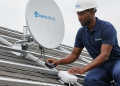
The activation process itself is designed to be straightforward, typically involving positioning the dish (Dishy), connecting it to power, and following instructions via the Starlink app. However, issues can arise, such as delays in receiving hardware, or a need for technical support during setup. Starlink's support channels, which include online resources and direct customer service, are vital for resolving these. Users are generally advised to familiarize themselves with the setup guides and activate their service as soon as the hardware is received to align service billing with actual usage from the earliest possible point.
Conclusion: Starlink's Ongoing Impact
Starlink stands as a testament to ambitious engineering and a relentless pursuit of global connectivity. Its journey from a conceptual project to a widespread, impactful service has been marked by continuous innovation, strategic adaptations in its service models, and a responsive approach to user needs. The introduction of flexible payment options, hardware rentals, and specialized mobile plans like Roam demonstrates Starlink's commitment to making high-speed internet accessible to an ever-broader audience, regardless of their location or lifestyle.
As Starlink continues to expand its satellite constellation and refine its ground infrastructure, it is poised to further revolutionize internet access worldwide. The ongoing evolution of its service offerings, coupled with a keen eye on market demands and technological advancements, ensures that Starlink will remain at the forefront of the satellite internet industry. For individuals and communities seeking reliable, high-performance internet in areas traditionally underserved, Starlink offers not just a connection, but a gateway to unprecedented possibilities.