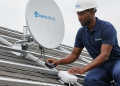
Starlink’s Evolving Frontier: Reshaping Global Connectivity
In a world increasingly dependent on high-speed internet, Starlink, SpaceX’s ambitious satellite internet constellation, continues to redefine access, particularly for those in remote and underserved regions. Far from being a static service, Starlink is continually evolving its offerings, introducing flexible plans, payment structures, and even hardware rental options to meet diverse user needs. This comprehensive analysis dives into Starlink’s current capabilities, its innovative approach to service delivery, and the strategic shifts that are shaping its future in the competitive telecommunications landscape.
From high-speed residential plans to adaptable mobile solutions for travelers and RV enthusiasts, Starlink is demonstrating a commitment to broad accessibility. Recent developments highlight a trend towards greater user control over service duration and equipment acquisition, moving beyond a one-size-fits-all monthly subscription model. This article explores how these changes are empowering users and expanding the reach of reliable internet across the globe, examining the practical implications for both long-term subscribers and those seeking short-term connectivity.
Unpacking Starlink’s Core Offering: High-Speed Satellite Internet
Starlink’s fundamental promise revolves around delivering robust internet connectivity to virtually any location on Earth. This is achieved through an ever-expanding constellation of satellites operating in low-Earth orbit (LEO), a design choice that significantly reduces the latency typically associated with traditional geostationary satellite internet services.
The Constellation’s Design and Reach
Unlike older satellite systems that position satellites at much higher altitudes, Starlink’s LEO constellation orbits just a few hundred kilometers above the Earth. This proximity allows for much faster signal transmission, resulting in a more responsive internet experience. The sheer number of satellites in the constellation ensures wide geographic coverage, a critical factor for connecting remote communities, maritime vessels, and airborne platforms that have historically struggled with reliable internet access. The network’s continuous expansion is a testament to SpaceX’s long-term vision for truly global coverage.
Performance Metrics: Speeds and Latency
Starlink’s performance is designed to rival or even exceed many terrestrial broadband options, especially in areas where such infrastructure is lacking. For its residential plans, users can expect substantial download speeds. For instance, Starlink offers Residential 100 Mbps and Residential 200 Mbps plans, indicating typical download speeds up to these respective limits. These speeds are more than sufficient for high-definition streaming, online gaming, video conferencing, and general web browsing.
Crucially, the low latency afforded by the LEO design stands out. While traditional satellite internet might exhibit latency figures in the hundreds of milliseconds, Starlink typically delivers latency well below 50 milliseconds, often in the 20-40 ms range. This makes a profound difference for real-time applications, offering a user experience akin to fiber or cable internet rather than older satellite technologies.
Navigating Starlink’s Service Plans: Flexibility in Focus
Starlink’s approach to service is increasingly characterized by flexibility, catering to a wider spectrum of users beyond just static residential installations. This adaptability is particularly evident in its diverse plan offerings and emerging payment structures.
Residential and Business Offerings
At its core, Starlink provides robust plans for fixed locations. The Residential plans are designed for permanent homes and offer consistent high-speed internet. For enterprises and organizations requiring enhanced performance, priority support, and higher data caps, Starlink also offers Business plans, tailored for commercial operations, public institutions, and other high-demand environments.
The Rise of Roam (Mobile) and Portability
Perhaps one of Starlink’s most revolutionary developments is its “Roam” service, which delivers high-speed internet on the go. This plan liberates users from geographical constraints, providing connectivity for vehicles like RVs, vans, and boats, as well as for remote workers who travel frequently. The Roam service boasts impressive capabilities, with users potentially achieving speeds of up to 300+ Mbps. For instance, a 100GB Roam plan is designed to provide reliable connectivity for approximately one week of typical use, making it an ideal companion for road trips, camping expeditions, or temporary relocations. This mobility aspect has been a game-changer for digital nomads and those who live or work in transit, offering unparalleled freedom. For more detailed insights into how these plans are shaping the future of connectivity, explore how Starlink Evolved: Plans, Flexibility & The Future of Connectivity.
Emerging Flexible Payment and Usage Options
Starlink is actively addressing the demand for more granular billing, moving beyond strict monthly subscriptions. User discussions on platforms like Reddit and Facebook reveal a strong interest in shorter-term payment options, such as weekly or even daily plans, especially from those using Starlink for vacations or intermittent travel. While a direct weekly payment option like a “Starlink RV only monthly payments?” query on Reddit from June 2023 indicates ongoing user desire, Starlink has made strides towards this flexibility.
As of November 2024, Starlink offers prorated service for certain plans, specifically mentioning a 50GB plan. This allows for weekly or short-term use with specific billing cycle rules. This development is significant for users who don’t require full monthly service but need reliable connectivity for a specific, shorter duration. For instance, someone on a week-long remote work trip or a short-term deployment can activate service and only pay for the portion of the month they use, aligning costs more closely with actual consumption. This flexibility stands in stark contrast to many traditional internet providers who lock users into longer-term contracts or fixed monthly cycles, regardless of usage.
Beyond Ownership: Starlink Rental Programs
Recognizing that the upfront cost of hardware can be a barrier for some, Starlink has introduced innovative rental programs, lowering the entry threshold and offering more flexible access to its technology.
Hardware Rental: A New Entry Point
In select countries, Starlink has introduced a hardware rental option, allowing users to acquire the necessary equipment for a modest monthly fee, such as $10 per month, in addition to the standard monthly service fee. This initiative significantly reduces the initial financial commitment, making Starlink more accessible to a broader demographic. Instead of paying several hundred dollars upfront for the dish and router, users can now subscribe with a much lower initial outlay, effectively turning the capital expense into an operational one. This provides a flexible option for individuals and businesses who may only need Starlink for a temporary period or prefer to avoid a large one-time purchase.
Short-Term Access: Rentals for Specific Needs
Complementing Starlink’s own rental scheme, third-party providers are also stepping in to offer even more specialized short-term rental solutions. For example, services like SatPhoneStore provide Starlink Mini rentals, explicitly catering to weekly or monthly rental periods. These come paired with flexible Regional or Global airtime options, meticulously tailored to specific journeys or project durations. This type of rental is perfect for expedition teams, remote film crews, temporary event organizers, or individuals planning a short international trip where reliable internet is paramount. It allows for immediate access to Starlink’s capabilities without the commitment of purchasing hardware or a long-term service plan, highlighting a growing ecosystem around temporary, high-performance satellite internet.
The Financial Landscape of Starlink: Costs and Billing Dynamics
Understanding the financial aspects of Starlink involves navigating initial investment, recurring service fees, and the evolving billing practices designed for greater user flexibility.
Understanding Initial Investment and Monthly Fees
Historically, the primary financial hurdle for Starlink adoption has been the upfront hardware cost, which can be several hundred dollars. This one-time purchase covers the Starlink dish (often colloquially known as “Dishy”), Wi-Fi router, power supply, cables, and base. However, as noted, the introduction of hardware rental for approximately $10 per month in specific regions offers an alternative, significantly lowering the barrier to entry.
Beyond the hardware, users commit to a monthly service fee, which varies depending on the chosen plan (Residential, Roam, Business, etc.) and geographic region. It’s crucial for users to understand the billing cycle from the outset. Early adopters, such as a Reddit user in November 2021 who stated, “I thought the $99 was for the first month of service, and I didn’t even activate the dish yet. I ordered in mid Oct and paid the $581 and now I’m being billed,” highlight common initial confusion. Starlink’s billing typically commences shortly after the hardware is shipped or when service becomes available in the user’s area, not necessarily upon the physical activation of the dish by the customer. This ensures service readiness upon delivery, but new users should factor this immediate billing into their plans.
Prorated Billing and Usage Tiers
The concept of prorated billing represents a significant step towards user-centric financial models. As observed in November 2024 discussions, Starlink now offers prorated service for certain plans, notably a 50GB option. This means that if a user activates service mid-month, they are only charged for the remaining days of that billing cycle, rather than the full month. This is particularly beneficial for intermittent users, such as those with RVs or seasonal properties, who don’t require 30 days of continuous service but need high-speed internet for shorter, defined periods. It aligns Starlink’s cost structure more closely with actual usage patterns, providing transparent and fair billing. This move underscores Starlink’s commitment to Starlink: Revolutionizing Global Connectivity & Flexible Access.
Starlink’s Impact and Future Trajectory
Starlink is not merely another internet provider; it’s a transformative force with far-reaching implications for global connectivity, market competition, and organizational dynamics.
Bridging the Digital Divide
Starlink’s most profound impact is its ability to bridge the digital divide. For billions worldwide living in rural, remote, or underserved areas, reliable and high-speed internet has been an unattainable luxury. Starlink offers a viable, often superior, alternative to traditional terrestrial infrastructure, which can be prohibitively expensive or geographically impossible to deploy. This access empowers education, telemedicine, economic development, and social connection in regions previously left behind. Furthermore, its rapid deployment capability makes it invaluable for emergency response and disaster relief, providing critical communication links when traditional networks fail.
Competitive Landscape and Innovation
The presence of Starlink has invigorated the telecommunications market, challenging established terrestrial and geostationary satellite internet providers. Its LEO technology pushes boundaries, compelling competitors to innovate in speed, latency, and service models. The continuous evolution of Starlink’s hardware, including the anticipated Starlink Mini, suggests a future with even more compact, efficient, and versatile user terminals. This ongoing innovation ensures Starlink remains a frontrunner, continually expanding its capabilities and refining its user experience. For a deeper dive into the technological advancements and strategic roadmap, consider reading Starlink Unpacked: Flexibility, Plans, & Future Connectivity.
Key Personnel and Organizational Shifts
Like any rapidly expanding global enterprise, Starlink experiences significant organizational developments. For instance, in July 2026, a notable change in leadership occurred with the departure of Jason Fritch, who served almost three years running Worldwide Enterprise Sales for Starlink at SpaceX. Such personnel changes are part of the dynamic growth of a company operating at the cutting edge of technology, often reflecting strategic reorientations or the natural evolution of its leadership structure as it scales its global operations.
Expert Analysis: Starlink’s Adaptability in a Dynamic Market
From an expert perspective, Starlink’s trajectory showcases a remarkable adaptability to market demands and user feedback. The journey from a nascent idea to a global service provider in a relatively short timeframe is itself an engineering marvel, but its willingness to refine its business model is equally compelling.
The shift towards flexible service plans, including prorated billing and mobile options, directly addresses previously unmet needs, particularly for intermittent users and the rapidly growing demographic of remote workers and digital nomads. By offering solutions like the 100GB Roam plan designed for about a week of typical use, Starlink demonstrates an understanding of modern connectivity requirements that extend beyond static households or businesses. This strategic pivot ensures that Starlink remains relevant and attractive to a broader user base.
Furthermore, the introduction of hardware rental programs signifies a mature understanding of market barriers. Reducing the upfront cost democratizes access, making high-speed satellite internet a practical reality for those who might otherwise be priced out. This blending of technological prowess with astute business model innovation positions Starlink not just as a disruptor, but as a responsive and agile player in the global internet service market. Its evolution reflects a continuous effort to balance wide-scale infrastructure deployment with granular user-specific solutions, setting a new benchmark for satellite internet providers.
Conclusion: The Horizon of Satellite Internet
Starlink’s journey so far is a powerful testament to human ingenuity and the relentless pursuit of global connectivity. From its foundational LEO satellite constellation delivering unprecedented speeds and low latency, to its increasingly flexible service plans and hardware rental options, Starlink is continuously refining its approach to meet the diverse and dynamic needs of a global clientele.
The company’s responsiveness to user demands for shorter-term service, prorated billing, and more accessible hardware entry points underscores a strategic vision focused on inclusivity and adaptability. As it continues to expand its satellite network and introduce innovations like the Starlink Mini, the future promises even more accessible, efficient, and widespread internet access. Starlink is not just connecting remote corners of the world; it’s actively shaping the future of how we perceive and utilize high-speed internet, making it a truly universal utility rather than a localized privilege.