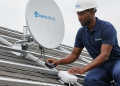
Starlink: Revolutionizing Global Connectivity & Flexible Access
In a world increasingly dependent on seamless digital communication, access to high-speed internet remains a significant challenge for billions. Traditional infrastructure often falls short in remote, rural, or underserved regions, creating vast digital divides. Enter Starlink, SpaceX’s ambitious satellite internet constellation, which is rapidly redefining the landscape of global connectivity. By deploying a vast network of low Earth orbit (LEO) satellites, Starlink aims to deliver broadband-level internet services to nearly every corner of the planet, promising speeds and reliability previously unimaginable in many areas.
Since its inception, Starlink has captured global attention, not only for its audacious technological feat but also for its evolving service offerings designed to meet diverse user needs. From residential users seeking reliable home internet to travelers and businesses requiring connectivity on the move, Starlink’s suite of plans and hardware options demonstrates a concerted effort to adapt to a dynamic market. This comprehensive analysis delves into Starlink’s current state, its innovative solutions, payment flexibilities, and what the future holds for this transformative technology, providing a deep dive into decoding satellite internet’s latest frontier.
Understanding Starlink’s Mission and Technology
Starlink’s core mission is elegantly simple yet profoundly impactful: to provide high-speed, low-latency internet globally, particularly to regions where terrestrial internet options are unreliable, expensive, or entirely unavailable. This endeavor is powered by a rapidly expanding constellation of thousands of satellites orbiting Earth at a much lower altitude than traditional geostationary satellites. This LEO design is critical for achieving significantly reduced latency, making Starlink a viable option for applications that demand quick response times, such as online gaming, video conferencing, and cloud computing.
The Constellation’s Core Principles
At the heart of Starlink’s operation lies its distributed network. Each satellite communicates with ground stations and, increasingly, with other satellites via inter-satellite laser links, creating a mesh network in space. This architectural choice ensures that data can be routed efficiently, minimizing hops and maximizing speed. The continuous launch of new satellites by SpaceX’s reusable Falcon 9 rockets allows for rapid expansion and technological upgrades, continually enhancing network capacity and coverage.
Technical Specifications and Performance Benchmarks
Starlink promises to deliver download speeds ranging from 50 to 200 Mbps for its standard residential users, with specific plans like Residential 100 Mbps and Residential 200 Mbps capping speeds at those respective thresholds to manage network resources effectively. Upload speeds typically range from 10 to 20 Mbps, and latency often hovers between 20-40 milliseconds. These figures represent a significant improvement over traditional satellite internet, which frequently suffers from latencies in the hundreds of milliseconds due to the greater distance to geostationary satellites. The performance can vary based on factors like network congestion, obstructions, and local weather conditions, but overall, it provides a robust solution for many.
Flexible Service Plans: Adapting to User Needs
One of the most frequently discussed aspects of Starlink is its approach to service plans and billing flexibility. As the service matures, Starlink has introduced a variety of options designed to cater to different user profiles, moving beyond a one-size-fits-all model.
Residential Plans: Tailored for Home Users
The standard Residential plan remains the backbone for most Starlink users, offering unlimited standard data for fixed locations. This plan is ideal for households, small businesses, and remote workers who require consistent, high-speed internet at a static address. Pricing typically involves an initial hardware cost for the Starlink Dishy and router, followed by a monthly service fee. Users on dedicated speed tiers, such as Residential 100 Mbps and Residential 200 Mbps, can expect performance within those specified bounds, ensuring consistent service levels.
The Nuances of Short-Term Billing: Weekly and Monthly Considerations
For users who don’t require continuous, fixed-location service, particularly those with mobile lifestyles or temporary needs, Starlink has explored and implemented more flexible billing structures. While a common inquiry on platforms like Reddit, observed in discussions as recent as June 2023, often revolves around the desire for weekly or even shorter payment cycles for use cases like short vacations, Starlink’s primary offerings generally revolve around monthly billing. However, for certain plans, specifically the 50GB plan as noted in November 2024 discussions, Starlink does offer prorated service, which effectively allows for weekly or short-term usage within a specific billing cycle, albeit with particular rules. This indicates a growing responsiveness to diverse user demands, acknowledging that not everyone uses Starlink for a full month at a time.
Understanding Prorated Services
Prorated billing signifies that users are charged only for the portion of the service period they utilize. For instance, if a user activates a service mid-month, they might only pay for the remaining days until the next billing cycle. Conversely, if a service is cancelled, a refund might be issued for unused days. This flexibility is particularly appealing for mobile users who might only need internet for a segment of a month, though it’s important for users to understand the specific terms and conditions tied to their chosen plan, especially regarding activation and deactivation timelines. Some early users, as observed in November 2021 discussions, experienced confusion regarding initial payments and billing cycles, sometimes being billed before activating their hardware, highlighting the importance of clear communication from Starlink regarding these terms.
Starlink for Mobility: Roam, RV, and Beyond
Beyond fixed residential use, Starlink has made significant strides in providing internet connectivity for mobile applications, opening up new possibilities for travelers, remote workers, and even maritime industries. This segment has seen considerable innovation in recent years.
Starlink Roam: Connectivity on the Move
The Starlink Roam service, previously known as Starlink RV, is designed specifically for users who require internet connectivity while traveling. This plan offers high-speed internet on the go, making it an invaluable tool for digital nomads, campers, and anyone whose work or lifestyle takes them to various locations. A typical Roam plan might offer 100GB of priority data, potentially lasting for approximately one week of typical use, with reported speeds of up to 300+ Mbps, depending on the network conditions and geographic location. The flexibility of Roam allows users to pause and unpause service as needed, ensuring they only pay for connectivity when they genuinely require it.
Dedicated Solutions for RV and Remote Work
The evolution from Starlink RV to Starlink Roam underscores the company’s commitment to flexible, mobile solutions. Users with recreational vehicles can set up their Starlink dish at various campsites or remote locations, instantly gaining access to high-speed internet. This is particularly transformative for individuals and families who rely on internet for work, education, or entertainment while exploring off-grid destinations. The ability to maintain productivity and stay connected irrespective of physical location is a significant advantage offered by these mobile plans. For more insights into these evolving offerings, consider reading about Starlink’s evolving landscape.
Global vs. Regional Airtime Options
For mobile users, Starlink offers different airtime options to suit their travel patterns. Regional plans are suitable for those who primarily travel within a specific continent or a predefined service area. Global plans, on the other hand, provide unrestricted connectivity across different countries and continents where Starlink service is available, offering unparalleled freedom for international travelers or commercial operations that span multiple regions. This distinction allows users to optimize their costs based on their actual travel needs, further enhancing the appeal of Starlink as a versatile connectivity solution.
Hardware Options: Purchase vs. Rental
Acquiring Starlink service typically involves obtaining the necessary hardware, which includes the Starlink dish, router, power supply, and cables. Starlink offers both outright purchase and, in select markets, a rental option for its hardware, providing financial flexibility to users.
Purchasing the Starlink Kit
The most common method to obtain Starlink hardware is through a one-time purchase. This upfront investment grants ownership of the equipment, which can then be used with any compatible Starlink service plan. The standard Starlink kit is designed for easy self-installation, typically requiring only a clear view of the sky. While the initial cost can be a consideration for some, it provides long-term value for consistent users.
The Starlink Rental Program: A Flexible Alternative
Recognizing that not all users want or can afford the upfront hardware cost, Starlink has introduced a rental program in select countries. This initiative allows users to rent the Starlink hardware for approximately $10 per month, in addition to the regular monthly service fee. The rental model provides a low-entry barrier, making Starlink more accessible for those who might have short-term needs, prefer not to commit to a large upfront expense, or wish to test the service before purchasing. This flexible option aligns well with the evolving needs of mobile users and those in temporary living situations.
Introducing Starlink Mini
Further expanding hardware flexibility, the advent of the Starlink Mini is poised to revolutionize portable connectivity. While specific details on its widespread availability and rental terms are still emerging, third-party providers like SatPhoneStore are already offering Starlink Mini rentals. These rentals can be chosen for weekly or monthly periods, paired with flexible Regional or Global airtime options. The Starlink Mini is expected to be a more compact and portable version of the standard dish, designed for ultimate ease of travel and rapid deployment, making it ideal for backpacking, remote expeditions, or quick setup during emergencies.
Real-World User Experiences and Community Insights
The real-world application of Starlink has generated extensive discussion across various online forums and communities, providing invaluable insights into its performance, user support, and evolving feature set.
Navigating Activation and Billing Cycles
User experiences with Starlink’s activation and billing have been a frequent topic of discussion. While many find the activation process straightforward, some early adopters, as seen in Reddit threads from November 2021, reported confusion around initial payments and the timing of their first service bill, occasionally receiving charges before their dish was even activated. These discussions highlight the importance of understanding the precise terms of service, especially concerning the payment of the hardware cost versus the first month’s service fee. Starlink has since worked to clarify these processes, with updated interfaces and support documentation aiming to streamline the user journey from order to activation.
Community Discussions and Support Channels
Online communities, particularly on platforms like Reddit and Facebook, serve as vital hubs for Starlink users to share experiences, troubleshoot issues, and provide mutual support. These forums reveal common questions about payment options, data usage, and optimal dish placement. They also showcase the innovative ways users are deploying Starlink, from providing internet to remote schools to enabling high-quality telehealth services in underserved regions. The feedback from these communities often influences Starlink’s feature development and support strategies, creating a responsive ecosystem for its users. Discussion around payment options, such as the viability of weekly or short-term payments beyond a prorated plan, frequently emerge, indicating a continuous demand for greater financial flexibility.
The Future Trajectory of Starlink
Starlink’s journey is far from over. The constellation is continuously expanding, and its capabilities are evolving at a rapid pace, promising even greater global reach and enhanced performance in the years to come.
Expanding Global Reach and Capacity
SpaceX continues to launch Starlink satellites at an impressive rate, steadily increasing the number of active satellites in orbit. This expansion not only extends coverage to new geographical areas but also enhances network capacity in existing service regions, leading to improved speeds and reduced congestion. The goal is a truly global, ubiquitous internet service that can reach even the most isolated communities, fostering economic development and educational opportunities worldwide.
Innovations in Satellite Technology
Future iterations of Starlink satellites are expected to incorporate advanced technologies, including more powerful antennas, improved laser inter-satellite links, and enhanced processing capabilities. These innovations will contribute to higher bandwidth, lower latency, and greater resilience against interference. The development of next-generation hardware, such as the Starlink Mini, signifies a commitment to making the service more versatile and user-friendly, catering to an even broader spectrum of applications, from personal travel to emergency response. It's clear that Starlink is continuously pushing boundaries, as explored in Starlink Unpacked, when considering its future connectivity.
Expert Analysis: Starlink’s Impact and Challenges
Starlink’s emergence has not only offered groundbreaking solutions but also presented new challenges and sparked considerable debate within the telecommunications industry and beyond.
Market Disruption and Competition
Starlink is a significant disruptor in the telecommunications sector, particularly for traditional satellite internet providers and even some terrestrial broadband companies in underserved areas. Its ability to offer speeds and latency comparable to fiber in regions lacking such infrastructure places immense pressure on competitors. However, the market is also seeing increased competition from other LEO satellite constellations under development, indicating a burgeoning sector poised for intense innovation and competitive pricing strategies. The impending departure of key personnel, such as Jason Fritch, who served as Worldwide Enterprise Sales lead for Starlink until his scheduled departure in July 2026, could also mark a transition point in the company’s enterprise strategy, potentially opening new avenues or shifting focus.
Overcoming Latency and Reliability Hurdles
While Starlink has dramatically reduced latency compared to geostationary alternatives, challenges remain. Network congestion, particularly during peak hours or in high-density user areas, can still impact speeds. Obstructions, such as trees or buildings, can temporarily disrupt service, making optimal dish placement crucial. Furthermore, the sheer scale of managing thousands of satellites, ensuring their optimal performance, and safely deorbiting them at the end of their lifecycle presents an ongoing operational and environmental challenge that SpaceX is continually addressing through technological advancements and orbital maneuvers.
Regulatory Landscape and Sustainable Space Practices
Operating a vast satellite constellation necessitates navigating a complex international regulatory landscape. Securing orbital slots, radio frequency allocations, and ensuring compliance with national telecommunications laws in dozens of countries is a monumental task. Furthermore, the proliferation of LEO satellites raises concerns about space debris and light pollution for astronomers. SpaceX has actively engaged in designing satellites for deorbiting at end-of-life and implementing features to reduce their reflectivity, demonstrating a commitment to sustainable space practices while working with global regulatory bodies to ensure responsible expansion.
Conclusion: Connecting the Unconnected
Starlink represents a paradigm shift in how we conceive and deliver internet access globally. By leveraging an innovative LEO satellite constellation, SpaceX has not only demonstrated the feasibility of high-speed, low-latency satellite internet but has also continually refined its service offerings to meet an increasingly diverse array of user needs. From flexible payment models that hint at weekly or prorated options for short-term use, to specialized Roam plans for mobile users and affordable rental hardware, Starlink is democratizing access to the digital world. The journey ahead involves continuous technological advancement, strategic global expansion, and an ongoing commitment to addressing both user demands and broader environmental and regulatory challenges.
As Starlink continues to evolve, its impact on bridging the digital divide, fostering economic growth in remote areas, and enabling new forms of mobile connectivity will undoubtedly be profound. It stands as a testament to human ingenuity, pushing the boundaries of what’s possible in connecting every individual, everywhere, to the wealth of information and opportunities the internet provides. The future of global connectivity is undeniably looking up, quite literally, with Starlink leading the charge.