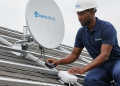
The Core Promise of Starlink: Bridging the Digital Divide
In an increasingly interconnected world, access to reliable, high-speed internet remains a significant challenge for vast populations. Traditional terrestrial infrastructure, whether fiber optics or cable, often proves cost-prohibitive or physically impossible to deploy in remote, rural, or underserved areas. This is precisely the void that SpaceX’s Starlink, a revolutionary satellite internet constellation, aims to fill. Launched with the ambitious goal of providing global broadband internet coverage, Starlink has rapidly evolved from an experimental project into a vital service for millions, fundamentally reshaping expectations for connectivity beyond urban centers. As of late 2024, Starlink isn’t just about providing internet; it’s about offering unparalleled flexibility, adaptable service plans, and hardware innovations that cater to a diverse array of user needs, from fixed residential use to extreme mobility.
High-Speed, Low-Latency Satellite Internet
Unlike traditional geostationary satellites that orbit tens of thousands of kilometers above Earth, Starlink operates a constellation of thousands of small satellites in Low Earth Orbit (LEO) at altitudes of just a few hundred kilometers. This proximity is critical, dramatically reducing the signal latency – the delay between sending and receiving data – from hundreds of milliseconds to typically 20-40 milliseconds. This low latency is a game-changer for satellite internet, making activities like online gaming, video conferencing, and real-time cloud applications not just possible, but genuinely responsive. Coupled with advertised download speeds that rival or even exceed many terrestrial broadband options, Starlink delivers a premium internet experience where one was previously unimaginable.
Global Ambition and Reach
Starlink’s vision is inherently global. With ongoing launches steadily expanding the constellation, its coverage footprint is continuously growing, bringing connectivity to continents and regions previously deemed digital deserts. This global reach has profound implications, from empowering remote communities with educational and economic opportunities to providing critical communication infrastructure during natural disasters. The service’s expansion is methodical, adhering to regulatory approvals in each new market, ensuring a stable and compliant rollout that respects national and international frameworks for spectrum use and satellite operations.
Navigating Starlink’s Service Plans and Pricing
Starlink understands that a one-size-fits-all approach doesn’t work for global connectivity. Over time, the company has refined its service offerings to provide a spectrum of plans designed to meet varied demands, from stationary homes to users constantly on the move. Understanding these options is key to leveraging Starlink’s full potential.
Residential Service: Home Base Connectivity
The cornerstone of Starlink’s offerings, the Residential service plan, is engineered for fixed locations like homes and businesses. It promises reliable, high-speed internet for everyday use, including streaming, work-from-home scenarios, and online learning. This plan typically involves a one-time hardware purchase, though a rental option has emerged in select countries, making initial access more affordable.
Speed Tiers: 100 Mbps and 200 Mbps Offerings
Recent enhancements to the Residential service include distinct speed tiers. Users can now opt for plans like “Residential 100 Mbps” or “Residential 200 Mbps.” As the names suggest, these tiers cap download speeds at approximately 100 Mbps and 200 Mbps respectively. This tiered approach allows customers to choose a plan that aligns with their bandwidth needs and budget, ensuring they pay for the performance level that suits their household or small business requirements. It represents an evolution in how Starlink manages network capacity and user expectations, moving towards more defined service levels.
Roam: Connectivity On-the-Go
For individuals, families, or professionals who require internet connectivity across various locations, Starlink’s Roam plan (formerly known as Starlink RV) provides an invaluable solution. This service is designed for portability, allowing users to take their Starlink dish with them as they travel, whether in an RV, camper, or even to a remote worksite. The flexibility of Roam has made it a popular choice for digital nomads, adventurers, and those with seasonal residences.
Understanding Roam’s Data Allowances and Speeds
The Roam plan offers high-speed internet, often achieving speeds of up to 300+ Mbps, which is robust enough for demanding applications. While Roam is primarily billed monthly, for some users, particularly those with transient needs like short trips, there have been inquiries about more granular payment options. While not universally available for all data plans, Starlink has introduced certain prorated service options. For instance, some users have reported that the 50GB plan allows for weekly or short-term use, though this often comes with specific billing cycle rules and may not be a standard offering across all regions or plans. The official Starlink Roam service, as seen on their website, generally provides substantial data packages, with examples like 100GB being approximately sufficient for one week of typical use, depending on individual consumption habits. This ensures that even with flexible usage patterns, users can rely on consistent service.
Business and Maritime Solutions
Beyond individual consumers, Starlink has significantly expanded into enterprise-level solutions. Starlink Business offers enhanced speeds and priority support for companies, while Starlink Maritime provides robust, high-bandwidth internet for vessels at sea, revolutionizing operations for shipping, cruise lines, and offshore industries. These specialized plans underscore Starlink’s versatility and its capability to serve demanding professional environments.
The Evolving Payment Landscape: Flexibility for Users
Starlink has demonstrated a growing understanding of its diverse user base by introducing more flexible payment and hardware acquisition options, particularly important for those who don’t need continuous, fixed-location service. This responsiveness to user feedback has shaped its current offerings.
Monthly Billing and Prorated Options
While Starlink’s primary billing model is monthly, a significant point of discussion among users, particularly those utilizing the Roam service or with intermittent needs, has been the desire for weekly or even daily payment options. As recent user reports indicate, Starlink has started to offer prorated service for certain plans, such as the 50GB option, which can accommodate weekly or short-term use. However, it’s crucial for users to understand the specific billing cycle rules associated with these prorated services, as they might not align perfectly with arbitrary short-term usage demands. The goal is to provide more granular control over service activation and deactivation, moving away from strict monthly commitments for highly mobile users.
Hardware Ownership vs. Rental
Historically, Starlink required a significant upfront investment for its hardware kit. However, in a move to increase accessibility, Starlink now offers a hardware rental option in select countries. For a monthly fee, for example, $10 per month, in addition to the regular service fee, users can rent the Starlink hardware. This provides a flexible entry point, especially for those unsure of long-term commitment or who prefer to avoid a large initial capital outlay. This rental model is particularly attractive for temporary deployments or those testing the service.
Initial Activation and Billing Cycles
A common misconception among new users has been the timing of billing. The initial payment for Starlink service, often around $99 in some regions, typically covers the first month of service. It’s not merely an activation fee that sits dormant until the dish is set up. Billing cycles generally commence shortly after the hardware is shipped or a service plan is activated, meaning users are often billed for their first month of service even if the dish isn’t immediately online. This emphasizes the importance of understanding the precise terms of service at the point of order.
Hardware Innovations: From Dishy to Starlink Mini
The physical hardware, affectionately known as “Dishy,” has been central to the Starlink experience. Over time, SpaceX has iterated on its design, leading to more compact, efficient, and user-friendly versions, culminating in exciting new portable options.
The Standard Starlink Dish and Setup
The iconic Starlink dish, formally known as the Starlink Actuated Motorized Mount, is designed for self-installation. It automatically orients itself to locate and connect with the nearest available satellites, simplifying the setup process for the end-user. The standard kit typically includes the dish, a Wi-Fi router, cables, and a power supply. While effective, its size and weight have traditionally posed considerations for true portability.
Introducing the Starlink Mini: Ultra-Portable Connectivity
The advent of the Starlink Mini marks a significant leap in the evolution of Starlink hardware. This ultra-portable version of the dish is designed for maximum convenience and mobility, making it ideal for backpacking, emergency kits, or situations where space and weight are critical factors. Its compact size and lighter build significantly enhance the “on-the-go” aspect of Starlink Roam plans.
Rental Options for the Starlink Mini
Reflecting its highly portable nature, the Starlink Mini is often available with flexible rental periods. Service providers and official Starlink channels are offering weekly or monthly rental options for the Mini, paired with flexible Regional or Global airtime options. This approach is perfectly tailored for specific journeys, short-term projects, or adventurous trips, allowing users to acquire the hardware and service for only as long as they need it, without the commitment of a full purchase. For a deeper dive into how Starlink is adapting its offerings, consider reading more about Starlink Unpacked: Flexibility, Plans, & Future Connectivity.
Performance and User Experience: What to Expect
While Starlink promises high performance, the actual user experience can vary based on several factors. Managing expectations and understanding these variables is crucial for optimal satisfaction.
Real-World Speeds and Latency
Users generally report download speeds ranging from 50 Mbps to well over 200 Mbps, with peak speeds sometimes exceeding 300 Mbps on certain plans, as noted with the Roam 100GB option. Upload speeds are typically between 10-20 Mbps. The hallmark low latency, averaging 20-40 milliseconds, distinguishes Starlink from previous generations of satellite internet. These figures position Starlink as a genuinely viable alternative to traditional broadband in many areas.
Factors Influencing Performance
Several environmental and network factors can impact Starlink’s performance. Obstructions like trees or buildings can block the dish’s view of the satellites, leading to service interruptions. Weather conditions, particularly heavy rain or snow, can cause signal degradation. Network congestion, especially during peak usage hours in densely populated service cells, can also lead to temporary slowdowns. Starlink continuously optimizes its satellite constellation and ground stations to mitigate these issues.
Addressing Common User Queries
Many new users encounter questions regarding billing, activation, and performance. One common query, as highlighted by online forums, involves billing starting before dish activation. Users are often billed for their first month immediately after ordering the kit, rather than upon activation, which is an important distinction. Another common area of inquiry revolves around the true meaning of flexibility, as some users anticipate weekly payments when the structure, even with prorated options, often still ties into a monthly billing cycle with specific rules.
Starlink’s Strategic Trajectory and Future Developments
Starlink is not a static technology; it’s a rapidly evolving system with ambitious plans for the future. Its strategic direction involves continuous expansion, technological innovation, and navigating a dynamic competitive landscape.
Expanding Satellite Constellation and Coverage
SpaceX continues to launch Starlink satellites at an unprecedented pace, with new batches frequently deploying from Cape Canaveral and other launch sites. This ongoing deployment is critical for increasing network capacity, improving coverage density, and ultimately enhancing the quality of service for existing and future users. The goal is a truly global mesh of connectivity, resilient and high-performing, capable of serving millions simultaneously.
Key Personnel Changes and Their Impact
Leadership changes are a natural part of a rapidly growing enterprise like Starlink. While specific roles evolve, the overall strategic vision tends to remain consistent. For instance, reports indicate that Jason Fritch, who served as Worldwide Enterprise Sales lead for Starlink, transitioned out of his role around July 9, 2026. Such movements in senior management often reflect the evolving needs of the company as it scales, pivots to new markets, or refines its go-to-market strategies. These changes, while significant internally, are typically geared towards strengthening Starlink’s global footprint and operational efficiency.
The Competitive Landscape and Future of Satellite Internet
Starlink operates within an increasingly competitive satellite internet market, with companies like OneWeb, Amazon’s Project Kuiper, and Viasat also vying for market share. This competition is a boon for consumers, driving innovation, improving service quality, and potentially leading to more competitive pricing. Starlink’s future trajectory involves not just outpacing competitors but also integrating its service with other technologies, exploring direct-to-cell capabilities, and refining its ground infrastructure to handle ever-increasing data demands. For an in-depth look at how these dynamics are playing out, explore Starlink’s Evolving Connectivity: Flexible Plans & Future Outlook.
Conclusion: Starlink’s Enduring Impact on Global Connectivity
Starlink has undeniably carved out a pivotal role in the global telecommunications landscape. By leveraging a vast constellation of LEO satellites, it offers a compelling solution for high-speed, low-latency internet in areas where traditional broadband struggles to reach. Its continuous evolution, marked by flexible service plans like Residential and Roam, adaptable payment options including hardware rentals and prorated service for specific data plans, and innovative hardware like the ultra-portable Starlink Mini, demonstrates a keen responsiveness to user needs. While challenges remain in terms of universal accessibility and navigating a complex regulatory environment, Starlink’s trajectory points towards an increasingly connected future.
As we move further into the decade, Starlink is poised to further revolutionize industries, empower individuals, and shrink the digital divide, proving that the sky is no longer the limit for internet access. Its commitment to innovation, from its satellite technology to its user-centric service models, ensures that Starlink will remain at the forefront of the global connectivity revolution for years to come. To understand more about the full scope of Starlink’s innovative approach, including its efforts to expand global access, consider reading Starlink: Revolutionizing Global Connectivity & Flexible Access.