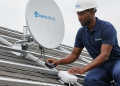
In an era increasingly defined by digital access, Starlink, SpaceX’s ambitious satellite internet constellation, continues to redefine the boundaries of global connectivity. Originally conceived to deliver high-speed, low-latency broadband to underserved and remote areas, Starlink has rapidly matured into a versatile service offering a spectrum of plans designed for both stationary residences and dynamic, on-the-go lifestyles. As of late 2024, the service’s adaptability, coupled with its ever-expanding satellite network, positions it as a critical player in the global telecommunications landscape. This in-depth analysis delves into Starlink’s operational facets, its evolving service models, payment structures, and the underlying innovations driving its continued expansion and future trajectory.
Starlink’s Transformative Vision for Global Connectivity
Starlink’s fundamental premise is elegantly simple yet technologically profound: to blanket the Earth with reliable internet access through a vast constellation of low Earth orbit (LEO) satellites. This vision directly addresses the significant disparities in internet availability, particularly in regions where traditional terrestrial infrastructure is either prohibitively expensive, physically impractical, or simply non-existent. The sheer scale of this endeavor—tens of thousands of satellites operating in concert—represents a paradigm shift from conventional geostationary satellite internet, which often suffers from high latency due to the immense distances involved.
The Core Mission: Bridging the Digital Divide
At its heart, Starlink aims to democratize internet access. For millions residing in rural communities, maritime environments, or disaster zones, high-speed internet has long been an elusive dream. Starlink offers a practical, high-performance alternative, enabling access to education, healthcare, economic opportunities, and vital communication that were previously out of reach. This societal impact is a cornerstone of Starlink’s strategic importance, moving beyond mere commercial venture to a global utility.
Technological Prowess: A Constellation in Action
The Starlink network operates by sending data through the vacuum of space, which is significantly faster than fiber optic cables over long distances. Each satellite, approximately the size of a table, features advanced phased-array antennas and ion thrusters for orbital maneuvers. These satellites communicate with ground stations (gateways) and user terminals (Dishy McFlatface, or more recently, the more compact Starlink Mini) to provide a seamless internet experience. The constant launch cadence of SpaceX’s Falcon 9 rockets ensures the constellation’s growth and replacement, maintaining optimal coverage and capacity across the globe. This intricate ballet of orbital mechanics and advanced radio technology is what allows Starlink to deliver speeds and latencies previously thought impossible for satellite internet.
Navigating Starlink’s Service Plans: Flexibility and Choice
Starlink has consistently evolved its service offerings to cater to a broader spectrum of user needs, moving beyond a singular residential plan to a more flexible suite of options. This adaptability is a key factor in its growing appeal, allowing users to choose a plan that precisely fits their lifestyle and connectivity demands.
Residential Offerings: Tailored for Fixed Locations
For users seeking stable, high-performance internet at a fixed address, Starlink’s Residential service remains the flagship offering. Designed for homes and businesses that require a consistent connection, these plans deliver robust speeds suitable for streaming, gaming, remote work, and video conferencing. Starlink has refined its residential tiers, with options like Residential 100 Mbps and Residential 200 Mbps, where users are limited to download speeds of 100 Mbps and 200 Mbps respectively. This tiered approach allows for greater control over service expectations and cost, ensuring users pay for the performance they genuinely need.
Understanding Speed Tiers and Data Prioritization
While Starlink strives for optimal performance for all users, the tiered residential plans introduce a level of prioritization. Higher-tier plans typically receive priority access to network resources during periods of congestion, ensuring a more consistent high-speed experience. This strategic allocation of bandwidth helps manage network load and maintain overall service quality across the growing user base. For those interested in understanding the nuances of these offerings, examining Starlink’s evolving connectivity provides further insights into these service developments.
Starlink Roam: Connectivity on the Move
Recognizing the increasing demand for mobile internet, Starlink introduced its Roam service, formerly known as Starlink RV. This plan specifically caters to users who need connectivity across various locations, whether they are traveling in an RV, working from a remote cabin, or engaged in fieldwork. The Roam service offers unparalleled freedom, allowing the Starlink dish to be used almost anywhere within its service regions.
Unpacking Flexible Payment Models
One of the most significant aspects of the Roam plan is its enhanced payment flexibility. Unlike the original residential service that often required a full monthly commitment, Starlink has introduced prorated service options for certain mobile plans, such as the 50GB plan. This allows for weekly or short-term use, addressing a common request from users who might only need internet for a few days or a week during a vacation or short assignment. While specific billing cycle rules apply, the ability to pay for only the duration of use is a game-changer for transient internet needs, moving beyond the traditional monthly subscription model as noted in recent user discussions. This flexibility is particularly appealing to the RV community, who often questioned if Starlink would introduce weekly payments or similar structures, rather than committing to a full month for shorter trips.
The 100GB Roam Plan: Short-Term Power
Further enhancing its mobile offerings, Starlink also provides a 100GB Roam plan, specifically designed for approximately one week of typical use. This targeted data package is ideal for those who require significant data for a limited period, such as for remote work sprints, intensive data transfers, or high-bandwidth entertainment during a short stay. It exemplifies Starlink’s commitment to providing granular options that align with diverse consumption patterns, demonstrating a proactive response to user feedback on short-term connectivity needs. This strategic offering underscores the importance of delving deeper into Starlink’s adaptable connectivity solutions, including its rental options and future plans.
The Agile Starlink Mini: Ultra-Portable Internet
Adding another layer of portability, the Starlink Mini represents a significant leap in compact satellite internet technology. This smaller, more portable version of the user terminal is designed for extreme ease of transport and quick setup, making it an ideal companion for adventurers, digital nomads, and emergency responders. Its reduced footprint and lighter weight address a critical need for truly mobile, grab-and-go internet access without compromising on performance.
Rental Options for Transient Needs
Complementing the Starlink Mini’s inherent portability, rental services have emerged, offering weekly or monthly rental periods. These are often paired with flexible Regional or Global airtime options, tailored to specific journeys or short-term projects. This rental model is particularly attractive for individuals or organizations who require Starlink’s capabilities for a defined period without the upfront investment of purchasing the hardware, making high-speed satellite internet accessible even for very temporary requirements. It further solidifies Starlink’s position as a flexible, user-centric service provider.
The Financials of Starlink: Payments and Activation
Understanding the financial aspects of Starlink, from initial setup to ongoing service fees, is crucial for prospective and current users. The structure has evolved, and clarity on payments and activation is paramount.
Initial Investment: Hardware and First Month’s Service
Typically, acquiring Starlink involves an upfront cost for the hardware, which includes the dish, router, power supply, and cables. Following the hardware purchase, users are generally billed for their first month of service upon activation. Some early adopters, for example, noted an initial payment of around $99 was for the first month’s service, with subsequent billing occurring even before the dish was activated. This highlights the importance of understanding the specific terms at the time of purchase and activation to avoid any billing surprises. Users should always confirm the exact terms regarding hardware delivery and service activation.
Exploring Prorated Billing and Short-Term Usage
The introduction of prorated billing for specific mobile plans marks a significant shift towards greater user flexibility. While previously, an activated service typically incurred a full month’s charge regardless of usage duration, the option for prorated service for plans like the 50GB Roam allows users to pay only for the days they utilize the service within a given billing cycle. This innovative approach directly addresses the feedback from travelers and short-term users, making Starlink a more economically viable option for intermittent connectivity needs. It is essential for users to familiarize themselves with the specific billing cycle rules associated with these prorated options to maximize their benefits.
Behind the Scenes: Innovation and Expansion
Starlink’s relentless pursuit of innovation extends far beyond its service plans, encompassing its manufacturing capabilities, leadership, and future technological advancements. These internal developments are crucial for sustaining its global ambition.
Manufacturing Hubs: Powering the Constellation
The rapid deployment and continuous upgrading of the Starlink constellation rely heavily on advanced manufacturing facilities. A key operational hub is located in Bastrop, Texas, where American innovation is actively driving the production of Starlink satellites. Industry observers like Olivia Trusty have highlighted the impressive scale and technological sophistication witnessed during facility visits, such as one noted in July 2026, underscoring the commitment to robust production pipelines necessary to maintain and expand the orbital network. These facilities are central to SpaceX’s ability to maintain its aggressive launch schedule and integrate the latest technological enhancements into new satellite generations.
Leadership and Strategic Shifts
The journey of Starlink, like any dynamic technology company, involves strategic leadership and team evolution. Significant personnel changes can signal new directions or consolidation of efforts. For instance, Jason Fritch, who played a pivotal role running Worldwide Enterprise Sales for Starlink, transitioned from SpaceX in July 2026 after almost three years. Such changes are common in fast-growing ventures and often reflect evolving strategies as the company matures from its foundational phase to widespread commercial deployment. These shifts indicate an ongoing refinement of Starlink’s business and operational models, adapting to market demands and internal strategic imperatives.
Future Horizons: Enhancements and New Capabilities
Starlink’s future is characterized by continuous improvement and expansion. Anticipated developments include even faster speeds, lower latency, and expanded coverage to increasingly remote areas. The introduction of next-generation satellites with enhanced inter-satellite laser links will further reduce reliance on ground stations, improving global reach and network resilience. Furthermore, the integration of Starlink with other SpaceX ventures, such as cellular backhaul for T-Mobile, suggests a future where Starlink’s capabilities could underpin a wider array of telecommunication services, pushing the boundaries of what satellite internet can achieve. This proactive approach to technological advancement and service diversification is key to Starlink’s long-term viability and impact.
User Experience and Practical Considerations
Beyond the technical specifications and service plans, the practical user experience and operational realities of Starlink are vital for its adoption and success.
Installation and Setup: A Simplified Approach
Starlink prides itself on a user-friendly installation process. The "Dishy" terminal is designed for straightforward self-setup, typically requiring users to simply plug it in, point it generally skyward, and let it automatically align with the satellites. This ease of installation significantly reduces the barriers to entry, particularly in rural areas where professional installation services might be scarce or costly. The Starlink app guides users through the process, offering tips for optimal placement and troubleshooting common issues. However, ensuring a clear line of sight to the sky, free from obstructions like trees or buildings, remains a critical factor for consistent performance.
Performance Metrics in Diverse Environments
Starlink’s performance can vary depending on factors such as geographic location, time of day, network congestion, and weather conditions. While designed to mitigate rain fade and other atmospheric disturbances, extreme weather can occasionally impact signal quality. Users typically report download speeds ranging from 50 Mbps to 200+ Mbps, with latency often below 50ms, making it suitable for most online activities. In areas with higher user density or during peak hours, speeds might fluctuate. The Roam and Mini services, while offering portability, are also subject to these environmental and network conditions, emphasizing the importance of realistic expectations based on the specific operational context.
Addressing Common User Queries and Support
As a relatively new and rapidly evolving service, Starlink users frequently seek clarification on billing, troubleshooting, and service features. Community forums, such as those on Reddit and Facebook, often serve as valuable resources for peer-to-peer support and sharing experiences regarding payment options, activation processes, and general usage tips. Starlink’s official support channels are also available, though response times can vary. For those looking to gain a broader understanding of Starlink’s offerings, unpacking next-gen satellite internet and flexible access provides a comprehensive overview that can address many common inquiries.
Conclusion
Starlink’s journey from an ambitious concept to a global internet provider is a testament to the power of innovation and a clear vision. By continually refining its technology, expanding its constellation, and introducing flexible service plans like Roam and the Mini, Starlink is not only bridging the digital divide but also setting new benchmarks for satellite internet. The evolution of its payment models, allowing for prorated and short-term usage, demonstrates a responsiveness to diverse user needs that positions it favorably in the competitive connectivity market. As SpaceX continues to launch more satellites and develop new technologies, Starlink is poised to maintain its trajectory as a critical enabler of high-speed internet access for individuals and communities across the planet, truly redefining what it means to be connected in the 21st century.