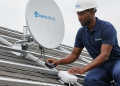
The Era of Flexible Global Connectivity: Starlink’s Adaptable Solutions
Starlink, the ambitious satellite internet constellation developed by SpaceX, has rapidly transformed the landscape of global connectivity. Once primarily known for bringing high-speed internet to remote and underserved areas, the service is now increasingly recognized for its evolving flexibility, catering to a wider spectrum of user needs, from permanent installations to temporary and mobile applications. As of late 2024, Starlink’s approach to service plans and payment structures reflects a clear pivot towards adaptability, addressing critical user demands for short-term access, particularly for travelers, RV enthusiasts, and those requiring internet on the go.
This comprehensive analysis dives deep into Starlink’s current offerings, shedding light on its flexible payment options, the innovative Roam and Mini services, and the ongoing technological advancements that continue to solidify its position as a frontrunner in next-generation satellite internet. We explore how Starlink is not just delivering bandwidth, but also empowering a new paradigm of internet access that aligns with modern, dynamic lifestyles.
Addressing Flexible Service Needs: Beyond Monthly Commitments
One of the most frequent inquiries from prospective and existing Starlink users revolves around the possibility of short-term service activation. For many, a full month-to-month commitment doesn’t align with their usage patterns, particularly for temporary travel, seasonal residences, or short-duration projects. Starlink has demonstrably responded to this demand by introducing more granular options.
Reports from November 16, 2024, indicate that Starlink is offering prorated service for certain plans, such as the 50GB option, which facilitates weekly or shorter-term usage. This is a significant development, moving beyond the traditional monthly billing cycle and providing much-needed agility. While specific rules apply to these prorated cycles, the mere existence of such flexibility marks a critical evolution in Starlink’s service model. For instance, the "Roam – 100GB" plan is explicitly marketed to provide "up to 300+ Mbps for approximately 1 week of typical use," making it an ideal choice for those needing robust, high-speed internet during brief periods away from their primary location.
Understanding Starlink’s Payment Structure
Historically, there has been some confusion regarding Starlink’s initial payment requirements. A Reddit thread from November 25, 2021, highlighted instances where users, upon ordering, understood the initial hardware cost to include the first month of service, only to find a separate billing for service before activation. It’s crucial for new users to understand that the initial payment typically covers the Starlink hardware kit (dish, router, cables) and shipping. Service subscription, whether monthly or through newer flexible options, is billed separately and generally begins once the service is activated or after a short grace period from shipping. This clear distinction is vital for managing expectations and budgeting.
As Starlink continues to refine its billing processes, greater transparency is emerging, especially with the introduction of options that cater to non-standard usage. The evolving approach allows users to manage their connectivity more effectively, aligning service periods with actual needs rather than being locked into rigid long-term contracts. This move positions Starlink not just as a technology provider but as a customer-centric service with adaptable solutions, as highlighted in Starlink’s Evolving Orbit: Flexible Connectivity & Global Reach.
Residential and Roam: Tailored Solutions for Every Need
Starlink offers distinct service plans designed to meet varying connectivity requirements. The core offerings generally fall into two categories:
- Residential: Optimized for fixed locations, providing unlimited high-speed internet. Users on Residential plans can select speed tiers, such as Residential 100 Mbps or Residential 200 Mbps, which cap download speeds accordingly to ensure network stability and fair usage. These plans are ideal for homes and businesses in areas with limited or no traditional broadband access, offering a dependable, high-performance connection for daily activities, streaming, and remote work.
- Roam (formerly known as RV or Mobile): Designed for mobility, allowing users to take their Starlink service wherever they travel. This plan offers unparalleled freedom, providing internet access at any serviceable location. It’s particularly popular among RVers, digital nomads, and those who require reliable internet across multiple locations. The "Roam – 100GB" plan, as noted, is a testament to this flexibility, offering a substantial data allowance suitable for approximately a week of typical mobile use, before overage charges might apply. This directly addresses earlier inquiries from platforms like Reddit (June 8, 2023) about weekly or short-term payment options for RV users.
Starlink Roam and the Mini: Connectivity On-Demand
The introduction of Starlink Roam and the highly anticipated Starlink Mini hardware marks a significant leap in providing truly portable and flexible internet solutions. These services are specifically engineered to empower users with reliable connectivity, no matter how dynamic their location may be.
Unleashing Mobility with Starlink Roam
Starlink Roam has redefined what it means to be connected while on the move. Whether embarking on a cross-country RV trip, working from a remote cabin, or sailing across open waters, Roam ensures continuous access to high-speed internet. This service eliminates the geographical constraints often associated with traditional internet providers, offering global portability within Starlink’s coverage areas. The simplicity of setting up the Starlink dish at a new location and immediately gaining access has made it an indispensable tool for adventurers and professionals alike. The flexibility of Roam plans, including options like the 100GB package tailored for weekly usage, directly caters to the diverse needs of mobile users, offering a practical solution for intermittent connectivity requirements without demanding long-term financial commitments.
The Compact Power of Starlink Mini
Further enhancing Starlink’s mobile portfolio is the Starlink Mini. This compact, lightweight version of the standard Starlink dish promises even greater portability and ease of use. The Mini is designed for users who prioritize minimal footprint and maximum convenience, making it ideal for backpacking, emergency kits, or situations where space and weight are critical considerations. Services like SatPhoneStore are already offering Starlink Mini rentals for various durations, including weekly options. These rentals typically come with a 50GB+ data plan, with clear pricing for local and global overages ($1.99/GB for local and $3.99/GB for global overages). This rental model, particularly for short periods like a week, perfectly aligns with the demand for highly flexible, on-demand internet access for specific events or limited travel, allowing users to test the service or utilize it without the commitment of purchasing the hardware outright. The agility offered by solutions like the Starlink Mini and its associated rental programs is a testament to Starlink’s responsive innovation in the connectivity market.
Strategic Growth and Technological Advancements
Starlink’s journey is characterized by relentless innovation and an aggressive deployment strategy. The company’s commitment to expanding its infrastructure and refining its technology is evident in its continuous production and launch schedules.
Expanding Production Capabilities
To meet the ever-increasing global demand for Starlink services, SpaceX is significantly ramping up its manufacturing capabilities. A notable insight came from Olivia Trusty, who, on July 23, 2026, visited the Starlink manufacturing facility in Bastrop, Texas. Her firsthand account highlighted the impressive scale of operations and the intricate processes involved in producing the advanced satellite dishes and associated hardware. This facility stands as a beacon of American innovation, demonstrating how cutting-edge technology is being developed and scaled domestically to serve a global market. The ability to rapidly produce and deploy hardware is crucial for Starlink’s expansion strategy, ensuring that new subscribers can get connected swiftly, even in remote regions.
Sustained Satellite Deployment
The backbone of Starlink’s high-speed, low-latency internet service is its ever-growing constellation of satellites in low Earth orbit (LEO). SpaceX maintains an aggressive launch schedule to continuously replenish and expand this network. According to recent updates from SpaceX’s launch manifest, Starlink missions are slated for August 5, 2026, from SLC-4E in California, and subsequent missions on August 8 and August 10, 2026, from SLC-40 in Florida. These missions, utilizing the Falcon 9 rocket and often involving drone ship landings, are critical for increasing network density, improving coverage in existing service areas, and extending availability to new territories worldwide. Each successful launch adds more satellites, enhancing the network’s resilience, capacity, and overall performance for users globally. This consistent investment in its satellite infrastructure is a core reason why Starlink maintains its competitive edge, as detailed in Starlink: Unpacking Next-Gen Satellite Internet & Flexible Access.
Enhancing User Experience and Network Reliability
Beyond simply providing internet access, Starlink is continuously focused on refining the user experience. This includes ongoing software updates for both the user terminals (dishes) and the satellite network, aimed at improving connection stability, reducing latency, and maximizing download and upload speeds. Features like intelligent obstruction mitigation, seamless satellite handoffs, and advanced routing algorithms are constantly being optimized. The goal is to provide a service that not only reaches remote locations but performs comparably to, or even surpasses, traditional terrestrial broadband in terms of speed and responsiveness. The regular deployment of new satellites also allows for increased redundancy and capacity, meaning fewer service interruptions and a more consistent experience for the end-user.
The Future Trajectory of Global Internet Access
Starlink is more than just an internet service provider; it’s a catalyst for global change, pushing the boundaries of what’s possible in connectivity and shaping the future of digital access.
Bridging the Digital Divide
At its core, Starlink’s mission is to connect the unconnected. Billions worldwide still lack reliable, high-speed internet access, particularly in rural and remote regions. Starlink’s LEO constellation offers a viable, often superior, alternative to costly and infrastructure-intensive terrestrial solutions. By delivering internet directly from space, it bypasses the need for extensive ground infrastructure, democratizing access and fostering economic and educational opportunities in areas previously left behind by the digital revolution. This profound impact on global equity is arguably one of Starlink’s most significant contributions.
Competition and Market Evolution
While Starlink has established a dominant position in the LEO satellite internet market, it is not without competition. Other players, including OneWeb and Amazon’s Project Kuiper, are also developing their own satellite constellations, signaling a burgeoning and competitive sector. This competition is ultimately beneficial for consumers, driving innovation, improving service quality, and potentially leading to more diverse and affordable options. Starlink’s proactive approach to flexible plans and hardware variants demonstrates its awareness of this evolving market and its commitment to staying ahead.
Anticipating Further Innovations
Looking ahead, the trajectory for Starlink is one of continuous evolution. We can anticipate further advancements in satellite technology, leading to even greater speeds, lower latency, and expanded capacity. The hardware itself is likely to become even more compact and efficient, potentially leading to a broader range of specialized dishes for different use cases. Pricing models will also continue to adapt, potentially offering even more granular and personalized service tiers to cater to specific consumption patterns. As the network matures and gains more users, Starlink’s data analytics will likely inform these developments, ensuring that future offerings are precisely tuned to market demands. For a deeper dive into upcoming developments, consult Starlink: Evolving Connectivity, Flexible Plans & Future Outlook.
Conclusion: Starlink as a Paradigm of Adaptable Connectivity
Starlink has firmly cemented its role as a revolutionary force in global internet access. Its strategic shift towards more flexible service plans, including prorated options for short-term use and the innovative Roam and Mini hardware, demonstrates a keen understanding of modern user demands for connectivity on their own terms. From travelers seeking weekly internet access to remote communities needing a robust and reliable connection, Starlink’s adaptable solutions are breaking down barriers to entry and redefining what’s possible.
With a relentless focus on expanding its satellite constellation, enhancing production capabilities, and continually refining its technology, SpaceX’s Starlink project is not just providing internet; it is building a foundational infrastructure for a more connected and equitable world. As we look towards 2026 and beyond, Starlink’s journey promises further innovation, ensuring that high-speed, flexible internet access is no longer a luxury but an accessible reality for everyone, everywhere.