SpaceX has opened a beta called Starlink for Communities that lets the owner of a single satellite internet kit sell access passes to neighbours while Starlink handles the billing, according to technology site Exploraphones, which applied from Rantepao in South Sulawesi, Indonesia. The site dates the launch to October 1, 2026, says it submitted its application on October 2 at 06:15 UTC, and reports that neither pass prices nor the host’s share of the revenue has been published. Nearly everything known about the program traces back to that one site, which discloses carrying what it calls an official Starlink referral link.
Key facts
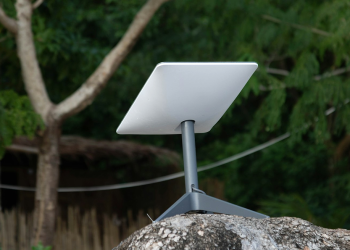
- The host supplies power, placement with a clear sky view and basic upkeep for a Starlink Standard or Mini kit, Exploraphones says.
- Neighbours buy hourly, daily, weekly or monthly passes. Hour, day and week passes cover one device; the month pass allows up to four devices.
- Starlink handles account creation, payments, access controls and bandwidth management, so the host does not become tech support, according to Exploraphones.
- The beta is open in the United States, Mexico, Canada, Indonesia and what Exploraphones calls other active Starlink markets. Applications go through the Starlink Community Beta Interest Form.
- As of October 2, 2026, pass pricing had not been published and the revenue split was shown only after approval, Exploraphones reports.
What the application and the dashboard show
One field on the Starlink Community Beta Interest Form asks applicants to describe their location, Exploraphones says, and the example given in the form is “Rural tourist area with 20 homestays without reliable internet.” After submitting, the site says it was shown a host dashboard setting out the division of labour: the host provides the site and the power, neighbours buy passes rather than kit, and Starlink runs the billing and access layer. Exploraphones calls that the significant change from what it describes as 2025 reseller arrangements, which required hosts to issue vouchers by hand; that step is now automated inside the Starlink app. Starlink News has covered Starlink’s earlier test of a paid community Wi-Fi hosting program.
A second outlet, Teslarati, published its own piece on October 3, but the page text available for this report repeated the same basic framing and carried no program detail. No independent source therefore confirms the dashboard description, the capacity claim below or the host economics.
Why it matters
The pitch in Exploraphones’ account is that a neighbour no longer has to buy hardware and a monthly subscription to get online. The site frames the alternative as a $149 kit plus $120 a month, a figure in line with reports that the Starlink Mini kit listed at $149 on the US storefront. For hosts, it says one dish can serve 10 to 15 nearby users and that someone already paying $120 a month could offset that cost to zero or turn a profit. Those are the site’s own projections, not SpaceX figures.
Starlink price: the gap at the centre
There is no published Starlink price for a community pass and no published payout rate for the host. Exploraphones calls the pricing “the biggest unknown” and tells prospective hosts not to model income until they are approved. The same article nonetheless describes low single-digit dollar day and week passes as affordable for neighbours in parts of Sulawesi and the rural United States, without saying where those figures come from. On the evidence available they are an illustration of what a pass might cost, and this report does not treat them as a SpaceX price.
Starlink availability for would-be hosts
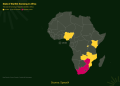
Exploraphones names the United States, Mexico, Canada and Indonesia, then stops at the catch-all phrase about other active Starlink markets without saying which they are. Neither report names an African market, so readers in Zimbabwe or elsewhere on the continent cannot confirm from this evidence whether they are eligible to apply.
How solid is the sourcing
Thin. Neither report cites a press note, blog post or spokesperson statement from SpaceX, and neither points to any page on starlink.com describing the program. The only SpaceX-controlled document in the chain is the interest form, which Exploraphones quotes rather than publishes. The launch date rests on a post by the independent account @SawyerMerritt on X, which Exploraphones says it verified at 19:36 UTC on October 1, rather than on an official SpaceX channel. SpaceX keeps no media office that answers press queries, so no company comment was obtainable for this report.
What to watch next
Two things would make the host economics checkable: a pricing and payout page from SpaceX itself, or an approved host publishing a dashboard showing real pass revenue. Until one of those appears, the numbers in this story remain one interested site’s estimate. Starlink News will update this piece when SpaceX publishes pass pricing or payout terms, or when a second, independently identified beta applicant describes the dashboard.
Frequently Asked Questions
Who does Exploraphones think the host side suits best?
Exploraphones names campground owners, homestay owners in Toraja and apartment building owners in the United States as examples of people already paying for a connection who could share it. That assessment is the site’s own.
What experience does Exploraphones claim for its assessment?
The site says it has operated Starlink Standard and Mini kits in South Sulawesi since 2024, including tests in rain, dense jungle and off-grid power setups, and that it has spent two years covering Starlink deployments in rural Indonesia. None of that is independently verified in this report.
Would a host need a telecoms licence to sell passes?
Neither report addresses licensing. Shared or resold satellite capacity is regulated market by market, so anyone considering hosting would need to check their national communications regulator before selling access.
Follow Starlink News on Google. Make us a preferred source to see more of our reporting in Google search results.